Knee vs Bed Mill: The Precision Decision
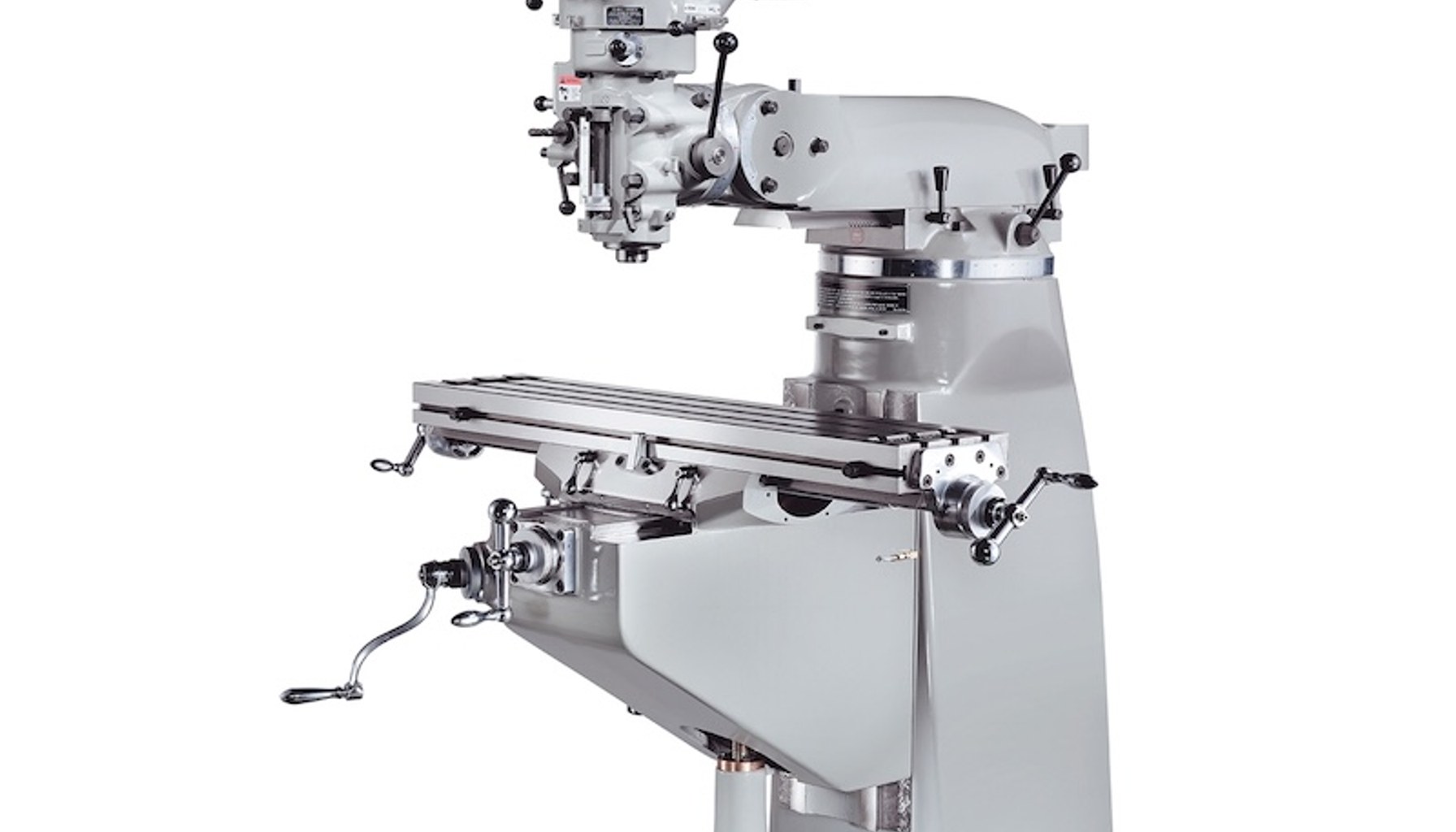
Choosing between a knee mill and a bed mill can be the line between a on-time delivery and a budgeted delay that never leaves the shop floor plan.
In precision manufacturing, the endpoint isn’t the strongest machine in the room; it’s the one that fits the part geometry, batch size, and downstream processes without wrecking cycle times. Production data shows that selecting the wrong format often shows up as a bottleneck in the first run rather than after the first 1,000 cycles. The debate isn’t about “more speed” or “more rigidity” in abstract terms; it’s about how the part’s features, the crew’s skills, and the shop’s footprint converge into a sustainable, repeatable process.
Knee mills are the familiar lane for flexibility. They punch above their weight in small- to medium-sized lots, light finishing, and parts with frequent fixture changes. They excel when you need quick setup changes, rapid prototyping, or a flight of short runs with a wide variety of part geometries. Bed mills, by contrast, are the workhorses for rigidity and precision on heavier cuts, larger workpieces, and long, repeat-proof toolpaths. The latter can shave minutes off a cycle when heavy roughing and high-accuracy finishing are repeated across dozens or hundreds of parts in a row.
One primary event in many shops is deciding which format should anchor a modernization drive. Integration teams report that the decision hinges less on nominal spindle speed and more on a mix of floor space, part family, and the tooling ecosystem already in place. Floor space matters: bed mills demand more room for long-stroke travels and chip evacuation, while knee mills demand less but can suffer if the footprint disrupts multiple work zones. Power practicality matters too: 3-phase supply, appropriate cooling, and robust guarding aren’t just compliance checkboxes—they determine uptime. Training hours are another quiet cost driver: operators must learn different setup philosophies, workholding strategies, and in-process inspection workflows. ROI documentation reveals payback that’s highly sensitive to the part mix and the level of automation that’s layered on top.
Industry practitioners note that tasks remain where human judgment is essential. Even with a bed mill’s rigidity, fixturing complexity, part orientation, and path optimization still require skilled operators and programmers. Conversely, knee mills demand discipline: quick-change setups can tempt shortcuts that degrade tolerance control and surface finish if processes aren’t properly codified.
A key practical insight for plant managers: really quantify the “integration cost.” Beyond the machine price, you’re budgeting for vices, clamps, probing routines, tooling libraries, and, crucially, operator training. Hidden costs vendors rarely reveal upfront include long lead times for custom fixtures, wear-in of new tool systems, and the need for periodic requalification when part families shift. The right choice isn’t simply the cheapest upfront investment; it’s the option with the cleanest, most repeatable payback path.
What to watch next, from a deployment perspective:
For now, the knee mill vs bed mill decision remains less about “which is faster” and more about “which workflow can you sustain.” The article on precision machine tools underscores that the endpoint is the fit between part geometry, batch size, and the shop’s ability to sustain cycle-time consistency. The best path is to map the part family’s features, project the required fixture and tooling, and run a pilot that captures a real payback signal—ideally before locking in a multi-year budget.
- Knee Mill vs Bed Mill: Which One Makes More Sense for Precision Manufacturing?roboticsandautomationnews.com / Source role not classified / Published APR 08, 2026 / Accessed APR 08, 2026