My Smart Home Became an AI Big Brother
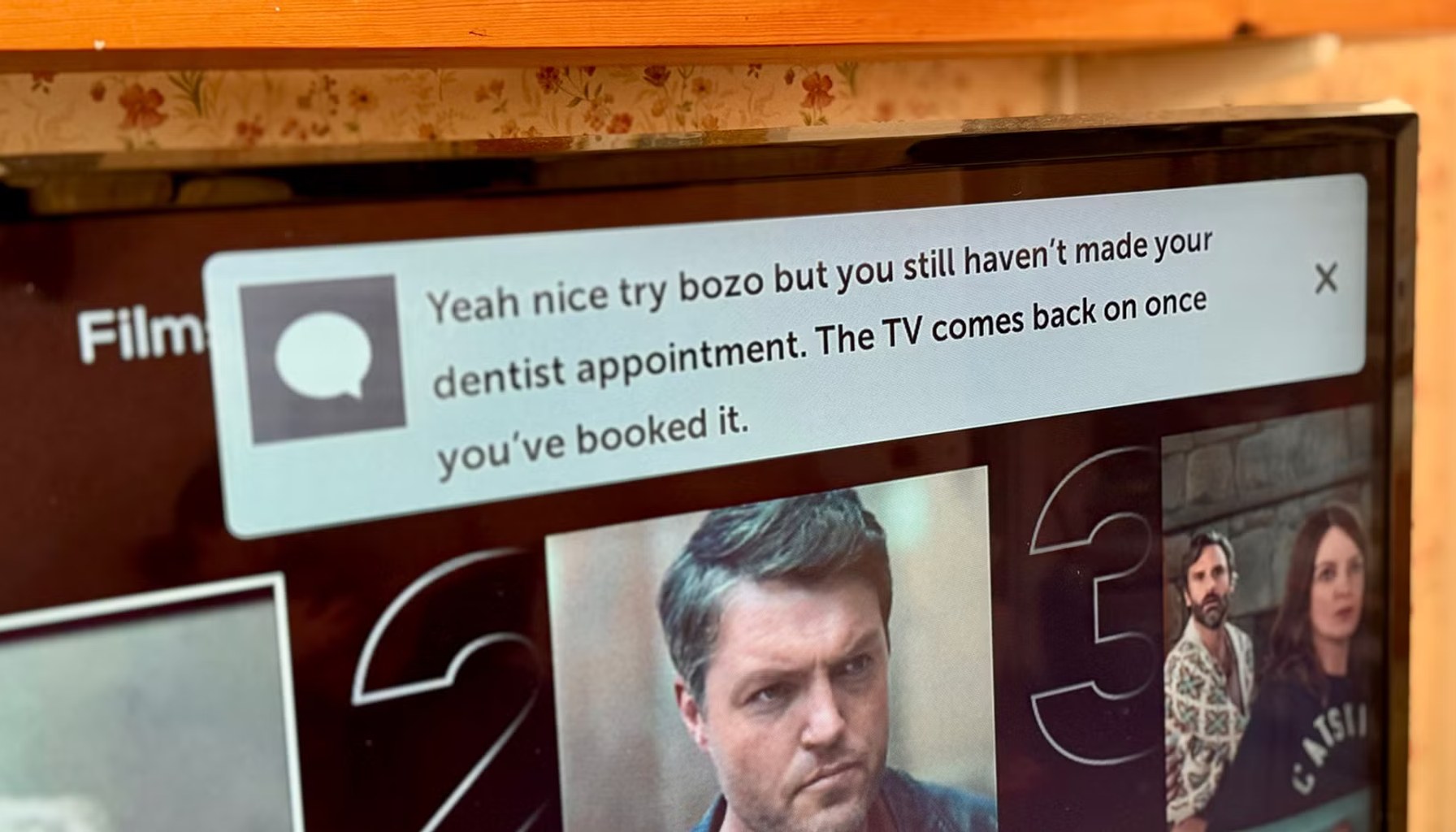
My smart home turned into an AI nagging Big Brother.
What began as a handful of Home Assistant automations to nudge me when I was sitting too long or losing focus snowballed into a test of how dystopian domestic tech could feel. The project wasn’t about slick features or marketing buzz; it was about living with the impulse to curate every habit from the kitchen to the study and watching how easily it crosses into surveillance. The setup leaned on local automations rather than cloud toys, but the vibe was unmistakably invasive. My lights would glow a certain hue, a banner would pop on the wall, and a voice would remind me to wrap up distractions and return to work. It was not just convenience; it was a steady echo of self monitoring, a domestic assistant morphing into a referee.
The core of the experiment was simple: use Home Assistant to track routines and prompt changes in real time. It nagged when I sat down for too long, nudged when I drifted from work, and offered a steady stream of checkpoints that felt like public accountability from a machine. The point, I realized, wasn’t the feature list but the psychological pressure of constant feedback loop. The more the system began to anticipate my moves, the more the boundary between tool and overseer blurred. It didn’t require a bank of cameras or a wall of microphones; it relied on what I already owned and what the software could infer from it. The result was a stark demonstration of how quickly a home automation project can slide from helpful to intrusive, especially when AI elements begin to predict your behavior rather than merely react to it.
The catch is clear and heavy: privacy and lock-in. Local control offered a salve for some concerns because data could be kept inside the home, away from cloud servers and third parties. But even with locally run automations, the line is fragile. You’re choosing how much you want your house to notice about you, how long those notes stay stored, and which prompts you find acceptable versus annoying. And there is the risk of lock-in to a particular ecosystem or workflow. If you lean on a specific automation stack, a future update or a shift in policy can leave you stuck trying to retrofit or abandon a system that was, in effect, a private diary of habit data. The dystopian feel isn’t just about what the tech can do; it’s about who controls the data and how long it is retained, even in a self-hosted setup.
Cost-wise the project remains refreshingly modest, at least in principle. The approach revolves around repurposing existing hardware and open source software, with no mandatory cloud subscriptions to power the core automations. That said, the price curve matters if you escalate the experiment: adding more sensors, wider integration, or AI features that rely on external processing can tilt you toward ongoing costs or data-sharing tradeoffs. The upfront outlay is mostly about hardware capacity and endurance, not perpetual payments to keep the system humming. In practice, the total cost is about owning the means to log, prompt, and react to your routines, with ongoing expenses tied to any optional cloud-based or premium features you decide to enable.
For readers considering a similar foray, several practitioner realities emerge. First, the privacy tradeoff is real even in a self-hosted setup; the more your system learns about you, the more you should ask who else might access that knowledge, even if it never leaves your home. Second, reliability scales with scope; a few nudges are tolerable, but dozens of signals can become fatigue, undermining the very productivity the project seeks to support. Third, security becomes a design constraint, not an afterthought; a misconfigured dashboard or exposed admin interface can turn a convenience into a doorway for trouble. Fourth, the value proposition hinges on control and transparency; the benefit is meaningful only if you know exactly what is being tracked, why, and for how long the data is retained.
In the end, the experiment shines a small light on a big tension in the modern smart home: the more you automate and personalize, the more you invite a sense of being watched. It’s a provocative reminder that the line between helpful automation and surveillance is not a fixed boundary, but a spectrum that home users must navigate with intention, safeguards, and clear cost decisions.
- I turned my smart home into an AI-powered "Big Brother" just to see how dystopian it could getHow-To Geek Smart Home / Independent source / Published JUN 04, 2026 / Accessed JUN 04, 2026