NFC tag under nightstand streamlines bedtime routine
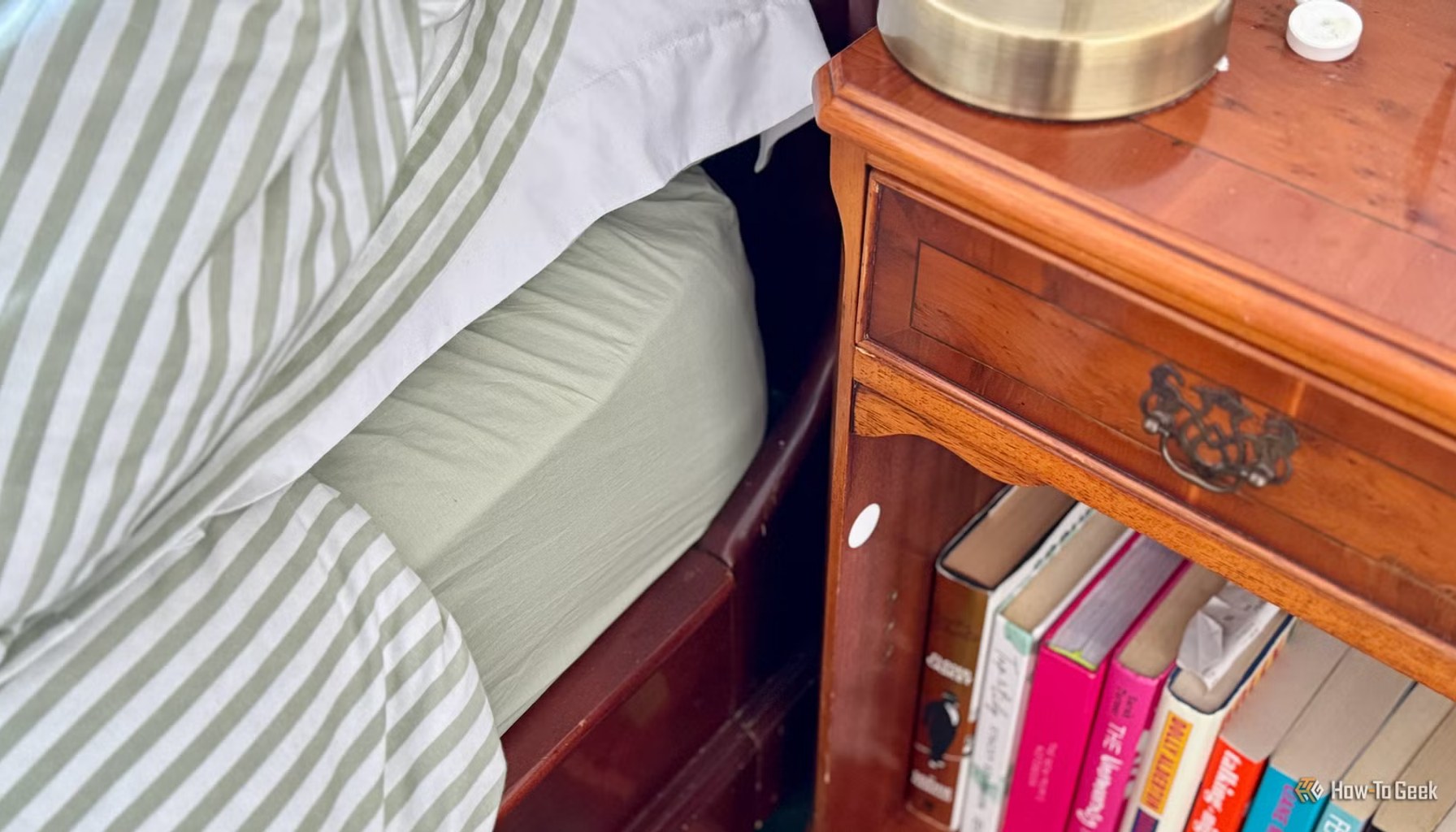
An NFC tag under the nightstand fixed bedtime chaos.
Automating a bedtime routine is harder than you might expect, especially when a smart home’s rhythm collides with a reader or a page-turner in bed. The chaos isn’t just about lights blinking on and off at the wrong moment; it’s the nagging friction of getting a complex set of devices to align at the same time each night. The How-To Geek piece that captured this fix shows a simple, DIY shortcut: stick an NFC tag under the nightstand and use it to kick off a bedtime routine. The idea is straightforward but powerful: tap your phone to the tag, and the night mode goes live, smoothing the transition from wakefulness to winding down without hunting through apps or voice commands.
What makes the hack notable is its immediacy. The problem described is common: smart-home routines can shut down or misbehave just as someone settles in with a book or a late-night show. A single, tactile trigger becomes a reliable cue that the user is settling in, not out. It’s a reminder that the friction points in home automation aren’t always about capabilities; they’re about how easily a person can initiate a sequence when intent is fresh and hands are full. The tag acts as a one-touch gateway to the routines users already rely on, whether that’s dimming lights, pausing media, adjusting a thermostat, or arming a night-time security orbit. The effect, in practical terms, is less time spent fiddling with apps and more time spent in the moment.
From a consumer-tech perspective, the NFC-based hack sits at an interesting intersection of DIY tinkering and mainstream home automation. It embodies a broader trend: friction-reducing devices that require minimal setup and leverage existing infrastructure. The user doesn’t need a new hub or a software overhaul; they repurpose a simple tag to tie together what’s already in place. That approach is appealing for comparison shoppers who want to keep costs down while avoiding lock-in to a single app or vendor. It’s also a reminder that the most durable smart-home tricks aren’t always the flashiest features, but the ones that work in a pinch with the gear a household already owns.
Here are practitioner-level takeaways to watch as more people experiment with near-field triggers in bedrooms and beyond. First, constraint awareness matters: the effectiveness of an NFC-based shortcut depends on compatible devices and the user’s ability to perform a quick tap in a real-world sleep scenario. If someone forgets or disables NFC on their phone, the trigger fails at the exact moment it’s most needed. Second, tradeoffs accrue with room-scale or device-scale automation: pinning a routine to a single tag can create brittleness if you move to a new bed, travel, or change the lineup of devices. Third, a few failure modes loom: the tag can be damaged, moved, or become unreadable if it’s covered by clutter or a case; the routine might start at the wrong time if the triggering logic isn’t precise. And finally, what to watch next is the industry’s response to DIY wisdom: will smart-home platforms offer built-in near-field triggers or more robust “wake and wind down” modes that don’t rely on placing a tag under a nightstand? The DIY solution is a useful proof of concept, but platform refinements could turn it into a standard feature rather than a workaround.
Total cost, including subscriptions, remains part of the practical math. The article frames the tactic as a low-cost, one-time-addition that leverages existing routines, with no sweeping new subscription required to implement the idea itself. The catch, as with many room-scale hacks, is privacy and lock-in: a simple tag is easy to adopt, but it ties a user to whichever ecosystem is handling the routine, and the data paths behind those automations sit in the hands of service providers if cloud-based actions are involved. In short, it’s a clever, low-friction fix for late-night frustration, with tradeoffs that are worth considering as the next wave of bedroom-friendly automation arrives.
- I put an NFC tag under my nightstand to kill late-night smart home frustrationsHow-To Geek Smart Home / Independent source / Published JUN 05, 2026 / Accessed JUN 05, 2026