OpenAI bets on Jalapeño chip to loosen Nvidia grip
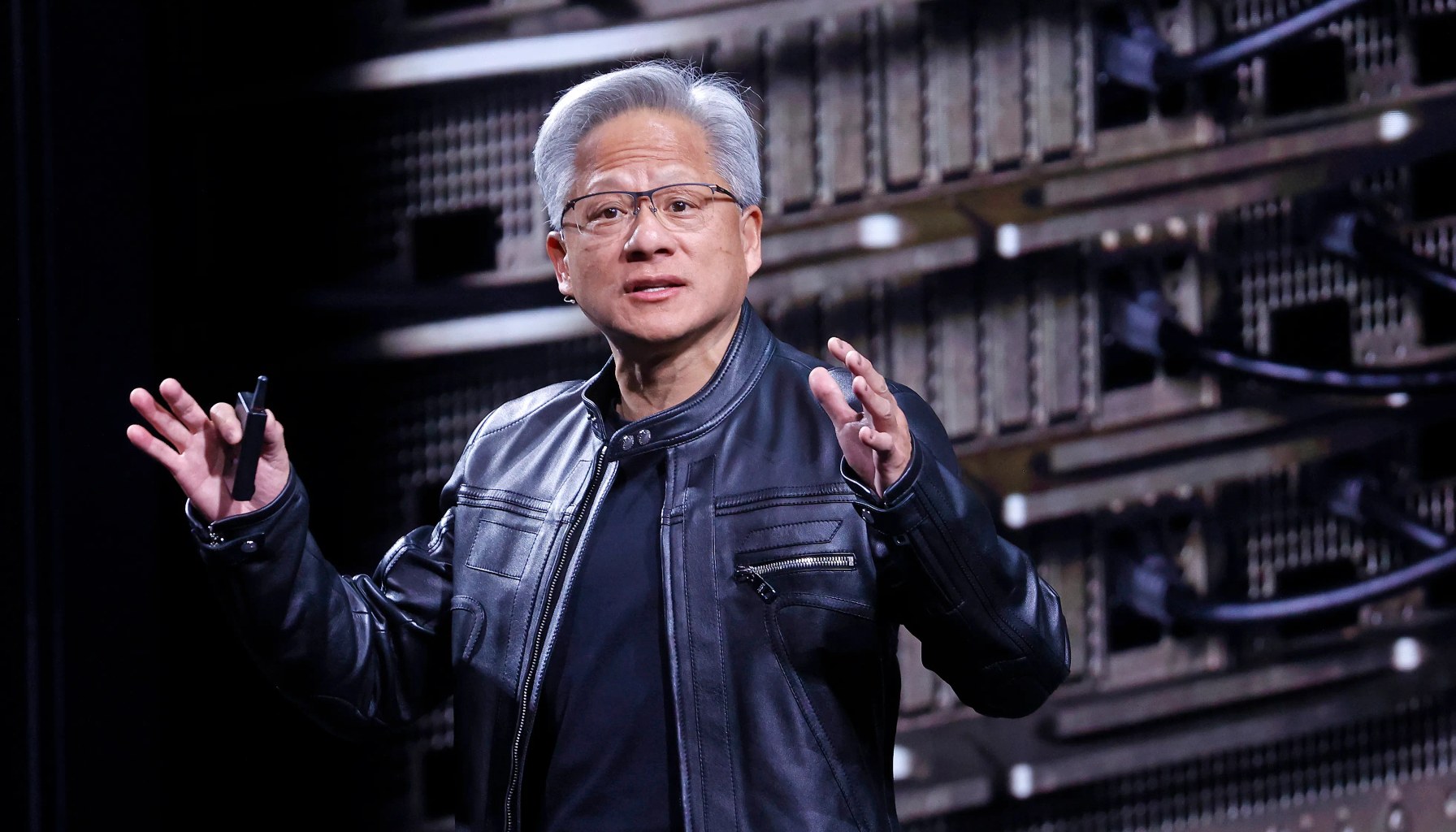
Image / TechCrunch AI
OpenAI bets on Jalapeño to shake Nvidia's AI crown.
Nvidia has long ruled the AI accelerator market, but the era of total dependence might be ending as OpenAI, along with peers like Google, Apple and SpaceX, pushes toward in house silicon. The move signals a pragmatic shift from a single supplier model to a more diversified hardware strategy, driven by the need to tailor chips to specific workloads and reduce supply chain risk. OpenAI’s plan centers on Jalapeño, a custom inference chip built with Broadcom, a collaboration the team reports is meant to supplement Nvidia rather than replace it overnight.
The Jalapeño project, announced amid a wave of Big Tech chip initiatives, illustrates a clear engineering constraint: you don’t just flip a switch and swap in a new accelerator. In practice, a custom chip forces a tight alignment between hardware, software, and data workflows. The team behind Jalapeño emphasizes that the chip is designed for inference workloads, a real world bottleneck for large language models and multimodal systems where latency and energy efficiency matter as models scale. By embedding a bespoke path for inference, OpenAI aims to shave milliseconds off response times and reduce the power draw per query compared with a generic accelerator.
One core implication is the hidden cost of in house silicon. The Jalapeño effort underscores a broader principle in AI infrastructure: the cost and risk of maintaining a custom silicon program are high, but the potential gains in efficiency, control, and time to market for model optimizations can be material. The team reports that such a chip helps diversify away from single-supplier risk, a practical hedge against supply shocks or licensing battles that can throttle access to compute just when a large deployment hinges on it. The broader industry context is telling: the move to seed a portfolio of in house accelerators is no longer fringe, but a growing pattern among major players who want more control over performance envelopes and compiler/toolchain maturity.
From a practitioner perspective, three tensions dominate. First, the software stack has to catch up to custom silicon. You can design the hardware, but without compilers, libraries, and optimized kernels that know how to exploit it, you won’t realize the gains on real workloads. Second, the economic equation is steep: chip development, validation, and internal tooling demand capital, personnel and long lead times, even before any manufacturing. Third, integration risk remains real. A chip that looks promising in a bench test can stumble when deployed at scale if it cannot interoperate cleanly with model pipelines, memory hierarchies, and the vendor ecosystem around drivers and firmware. The industry watchers will be watching for not just raw throughput, but how Jalapeño plays with OpenAI’s software stack, data center choices, and deployment cadence.
Looking ahead, the trajectory suggests a future where multiple companies maintain bespoke accelerators aimed at distinct use cases, with Nvidia continuing to provide broad, reliable options while in house chips tackle niche workloads. The emphasis is shifting from a single point of failure to a spectrum of specialized accelerators, each optimized for particular model families and inference patterns. If Jalapeño proves itself, it could become a blueprint for how large AI developers manage compute at scale, balancing speed, energy, and time to iterate on new models.
- Why everyone from OpenAI to SpaceX is building their own chips (and turning up the heat on Nvidia)TechCrunch AI / Mainstream / Published JUN 26, 2026 / Accessed JUN 26, 2026
- OpenAI’s Jalapeño chip is Big Tech’s spiciest move away from NvidiaTechCrunch AI / Mainstream / Published JUN 26, 2026 / Accessed JUN 26, 2026