SoftMimic could make robots safer around humans
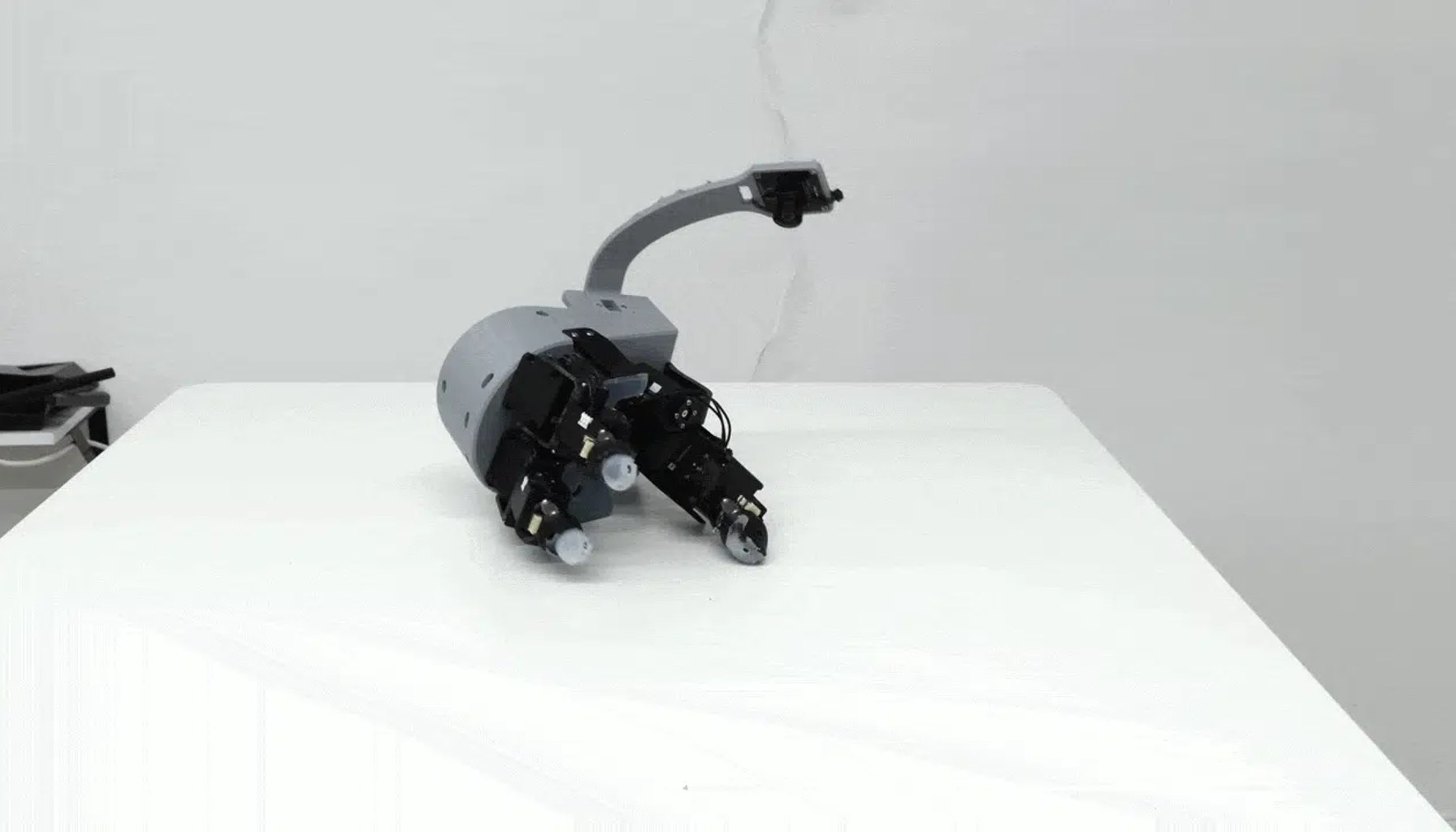
Image / IEEE Spectrum Robotics
SoftMimic could finally make human robot handoffs safe. In a MIT CSAIL demonstration highlighted by IEEE Spectrum's Video Friday, Pulkit Agrawal outlines a safety first approach to give robots a more forgiving touch around people.
The gist is simple in practice but hard in engineering: robots that interact with humans need to manage contact gracefully. The SoftMimic concept, as described in the clip, aims to modulate grip and manipulation to prevent rough grabs or unintended force on a nearby human. In other words, the system tries to make manipulation feel predictable and controllable, even when a person's movements or a misread cue creates an unexpected nudge on the robot's hand.
For engineers, the appeal is obvious but demanding. Safety in human-robot collaboration is not about locking everything down; it’s about enabling useful, close quarters work without sacrificing reliability. Practically, achieving SoftMimic means robust sensing, real-time control, and a grip strategy that can transition quickly from compliant contact to firm grasp when needed, all while accounting for variability in human partners. That combination, with high responsiveness and careful force control, demands sensing suites, latency management, and software that can reason about contact in the moment, not just in a model or a simulation.
Two to four practitioner insights emerge when you translate this from concept to factory floor realities. First, safety comes with speed penalties and control complexity. Soft, compliant interactions reduce the risk of harm, but maintaining productivity requires knife edge tuning of impedance control, sense fusion, and trajectory planning so that a handover task doesn't become a bottleneck. Second, the reliability hurdle is real. Any failure mode in contact, such as sensor noise, misestimated contact forces, or unexpected shifts in a human's position, can push the system into unsafe territory unless there are robust fallback behaviors and hard safeties. Third, integration requires a clear value proposition for deployments. Teams will expect demonstrable gains in error rates, training time, and maintenance overhead before moving from lab benches toward pilot environments. Fourth, evaluation is key. The field needs repeatable safety metrics and standardized tests for contact dynamics to separate hype from practical capability, especially when competing demonstrations tout "safer" manipulation.
Context matters. Video Friday's compilation this week sits alongside clips of Tangent Robotics' disembodied hands crawling across a table, Agility Robotics' Digit navigating clutter, a firefighting robot from DEEP Robotics, and a price watch note on the Unitree R1. Taken together, the reel emphasizes a central theme: the practical path to useful robot workers increasingly runs through humane, controllable physics, softness and timing as much as grip strength or speed.
What to watch next is straightforward. See how SoftMimic translates from a lab showcase to controlled pilot deployments, and what safety benchmarks it helps push in real workplaces. If the approach scales with reliable perception and predictable safety margins, it could become part of the toolbox that makes collaborative robots something workers actually trust and prefer to have around.
- Video Friday: Give Robots a HandIEEE Spectrum Robotics / Research / Published JUN 26, 2026 / Accessed JUN 27, 2026