PLCs Endure as Robots Take Over the Line
The PLC isn’t retiring; it’s evolving into a smarter gateway.
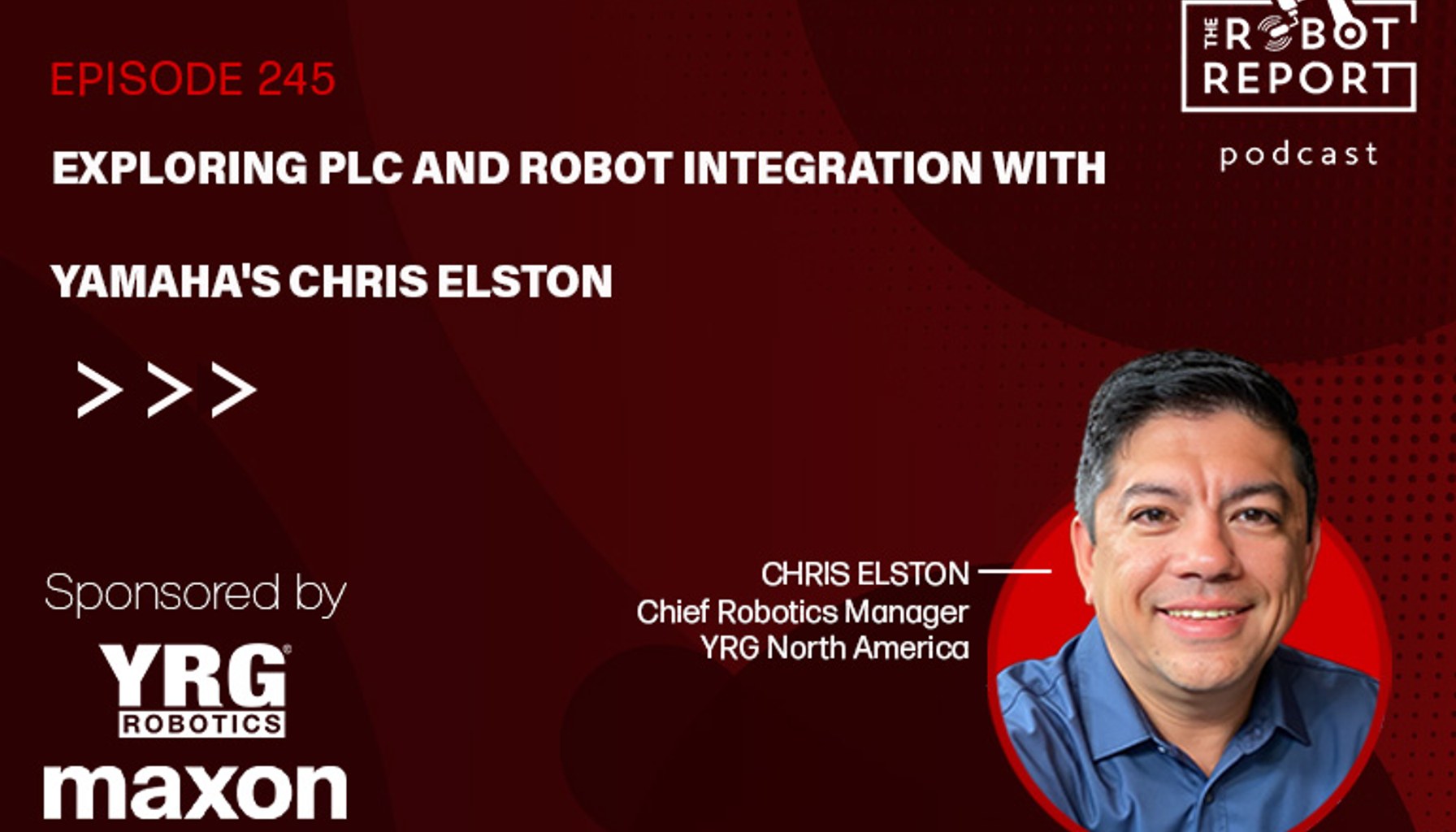
In The Robot Report Podcast episode 245, Chris Elston, the chief robotics manager for Yamaha Robotics Group North America, lays out a practical path for turning big automation promises into floor ready realities. He frames Yamaha’s approach as a response to a simple fact the shop floor knows well: impressive demos don’t automatically translate into reliable, repeatable production. Elston’s job, he says, is to help machine builders and end users bridge that gap with controls, robotics, and a human friendly workflow that won’t collapse under real world variability.
Elston sits at the intersection of controls and automation. Yamaha’s portfolio, he notes, spans SCARA and Cartesian robots, pick and place work, and single axis configurations, all threaded into a philosophy of “user friendly manufacturing environments.” The goal isn’t flashy hardware alone; it’s practical deployment that keeps the line moving, even when engineers are juggling multiple projects. In his view, the PLC remains central, but its role is evolving. The PLC is no longer a discrete brain for a single cell; it’s part of an integrated, scalable automation fabric that can be adjusted as lines change, products rotate, and demand surges.
The conversation underscores a simple truth many plant managers know from hard experience: the real work happens after the lights come up on a demo. Integration teams report that turning a concept into steady production requires more than a clever robot arm; it requires thoughtful interface design, clear handoffs between automation and operations, and training that actually sticks. Elston emphasizes that Yamaha’s emphasis on Advanced Operator Interfaces is about giving workers a predictable way to teach, monitor, and adjust the cell without needing a robotics PhD. The intent is to empower operators to handle routine changes, offsetting the ramp up costs that typically slow deployments.
From a practitioner’s standpoint, a few concrete takeaways emerge. First, don’t underestimate training hours. The best automation won’t pay for itself if operators can’t use the system confidently. Second, design for scalability from day one. Yamaha’s push toward modular, linear conveyor modules and flexible interfaces aligns with what plant managers describe as the need to adapt to multiple SKUs without a full rewire. Third, respect the floor space and power envelope. A compact, well integrated control cell that fits on a typical production floor reduces the risk of overrun and the hidden costs of reworking plant layouts. Fourth, remember that automation still relies on craft labor for certain tasks. Robots excel at repetition, but technicians, inspectors, and fabrication specialists remain essential for setup, calibration, and quality validation.
Elston’s message is clear: the PLC isn’t the bottleneck it used to be; it’s a backbone that, when paired with robust operator interfaces and modular robotic configurations, can deliver real payback. For executives who still chase the quick win, the path forward is steady, not spectacular; invest in integration discipline, training plans, and a control architecture that scales with the line. The result, as industry veterans know, is measurable throughput gains and a deployment that sticks, not just a demo that dazzles.
Elston will be at the 2026 Robotics Summit & Expo in Boston next week, a reminder that the industry continues to push for automation that’s not only capable but practical on the shop floor.
- Exploring PLC and robot integration with YRG Robotics’ Chris Elstontherobotreport.com / Independent source / Published MAY 22, 2026 / Accessed MAY 24, 2026