Privacy-First UX Wins Trust in AI Era
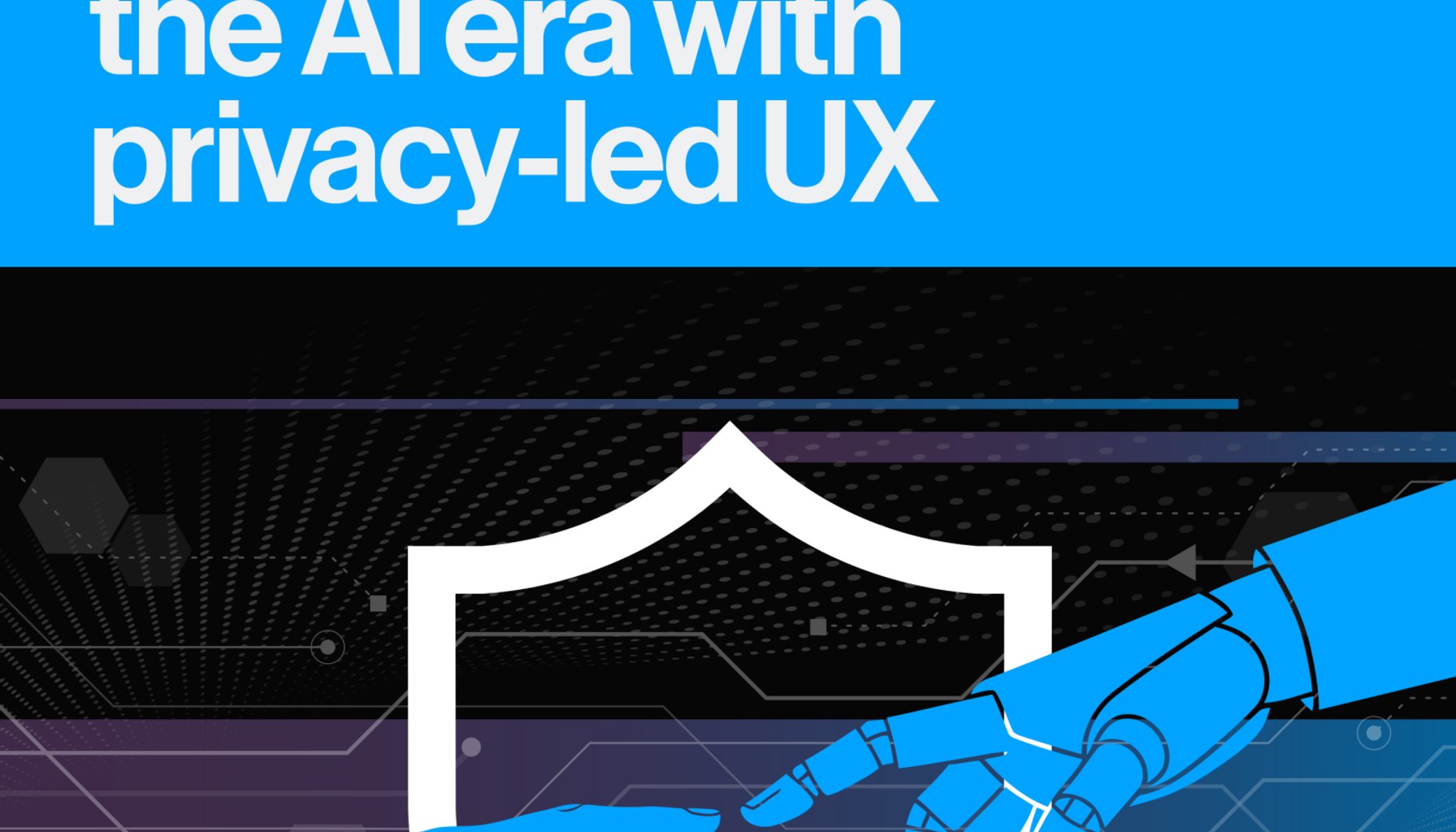
Trust is the new KPI for AI, and consent is its doorway.
The latest take on digital trust isn’t about flashy models or bigger datasets—it’s about how you design how you ask for data. A Privacy-led UX approach treats transparency around data collection and usage as an ongoing customer relationship, not a box to tick. In a market that’s grown tired of vague assurances, this philosophy reframes consent as a value proposition: the way you explain, show, and honor data usage can boost loyalty as much as accuracy or speed.
The report highlights a shift in enterprise sentiment. What used to be viewed as a compliance trade-off is now seen as a driver of growth. Adelina Peltea, chief marketing officer at Usercentrics, puts it plainly: “Even just a few years ago, this space was viewed more as a trade-off between growth and compliance. But as the market has matured, there’s been a greater focus on how to tie well-designed privacy experiences to business growth.” The practical upshot: consent flows, terms and conditions, privacy policies, DSAR tools, and AI data-use disclosures are no longer afterthought touchpoints; they’re connective tissue between trust and revenue.
The paper demonstrates that well-designed consent experiences can outperform estimates that once looked optimistic. Instead of a sterile, one-and-done moment, privacy touches become touchpoints that shape behavior, reduce friction later, and improve retention. The idea isn’t to overwhelm users with legalese, but to encode meaningful transparency into every interaction. AI systems, with their opaque data pipelines and evolving use cases, make this approach even more essential. If users feel they understand how their data is used, they’re more likely to engage, customize settings, and stay longer.
Analysts and practitioners can draw a clean analogy from consumer product design: privacy-led UX is the scaffolding that keeps a high-rise of AI capabilities standing tall. It’s not a single feature; it’s an ongoing design discipline. When disclosures are clear, disclosures are up to date, and consent choices align with actual data use, trust compounds—not just between user and product, but across the brand’s entire AI-enabled ecosystem.
Two to four practitioner-ready takeaways stand out for product teams. First, embed privacy transparency into onboarding and throughout the lifecycle, not as a one-off page. Second, elevate DSAR tooling so users can access, rectify, or delete data without friction, and make these tools fast, not punitive. Third, publish practical AI data-use disclosures that evolve as models adapt, with versioned notices so users aren’t guessing what’s changed. Fourth, design consent experiences as growth levers: measurable impacts on activation, retention, and long-term value, not merely compliance metrics.
Yet there are caveats. Consent fatigue remains a real risk if prompts are intrusive or confusing, and not all users will engage with privacy disclosures in meaningful ways. The complexity of AI-data pipelines means disclosures must be accurate and timely, which can be resource-intensive. Regulatory uncertainty—updates to data-localization rules, DSAR timelines, or algorithmic transparency standards—can complicate UX design cycles. In short, privacy-led UX is powerful, but it’s not a silver bullet; it’s a relentless, design-driven discipline.
For teams shipping this quarter, the path is concrete: audit data flows to map what’s actually used, where, and why; build a consent-by-default flow with easy opt-out and clear AI-data-use disclosures; deploy DSAR interfaces that are fast and user-friendly; and measure trust-driven metrics (retention, activation, and user-led disclosures) alongside traditional engagement KPIs. The payoff isn’t merely happier users—it’s a more resilient product moat in an AI-first era.
In an industry that often treats privacy as a compliance burden, privacy-led UX reframes transparency as a business asset, turning consent into a trusted relationship that can compound the value of AI features over time.
- Building trust in the AI era with privacy-led UXtechnologyreview.com / Source role not classified / Published APR 15, 2026 / Accessed APR 15, 2026