RAMageddon Hits Surface: Prices Jump $500
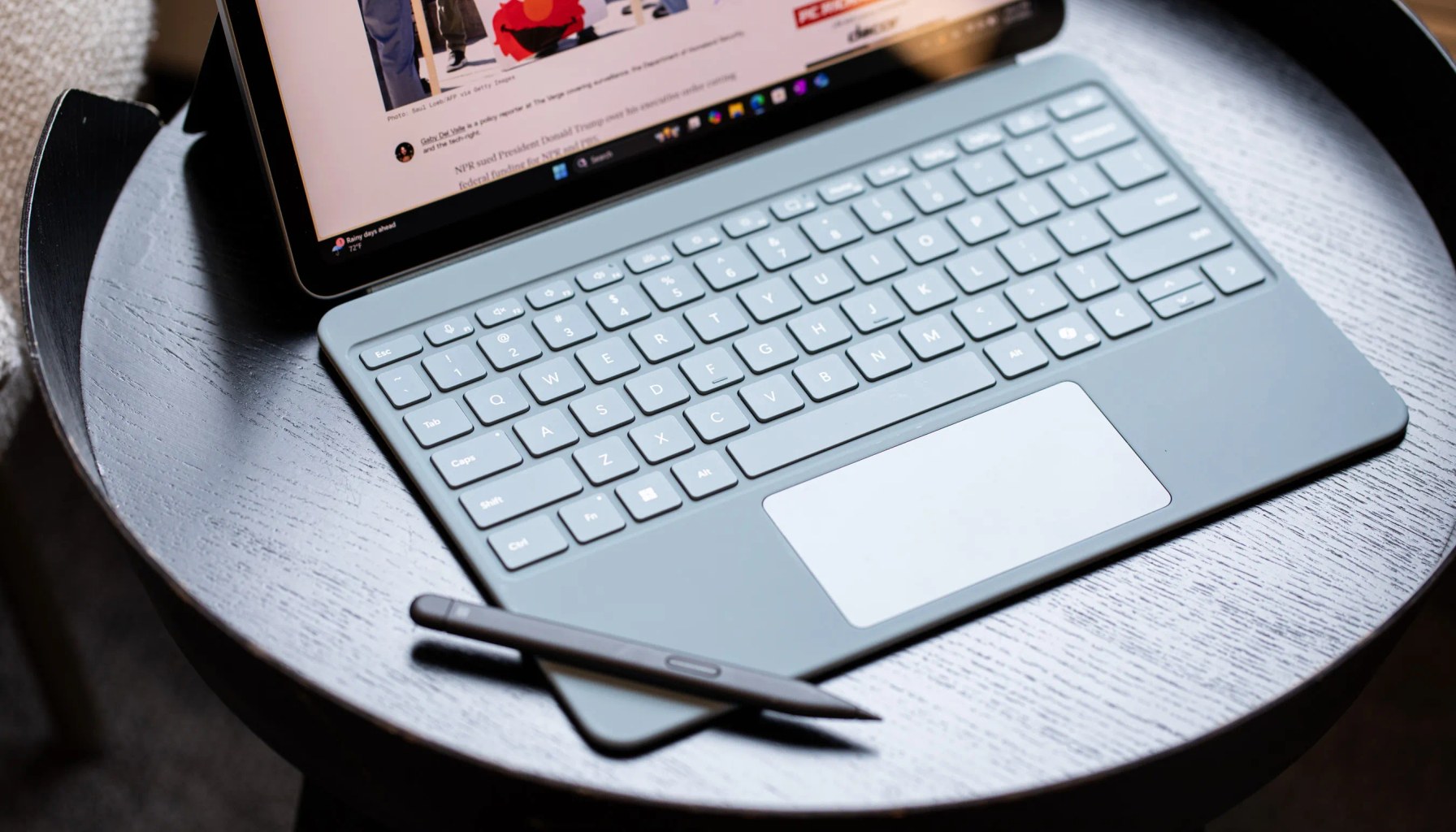
Microsoft quietly slapped a $500 price hike on its flagship Surface Pro 11 and Surface Laptop 7, signaling that the RAM crunch isn’t just a side effect—it’s a pricing lever.
The move lifts the 13-inch Surface Pro 11 and the 13.8-inch Surface Laptop 7 to $1,499, up from earlier starting points of $999. The Verge notes these hikes come even as Microsoft shuffled its lineup last year, discontinuing the $999 versions in favor of $1,199 models with more storage. The logic, the outlet suggests, was to make room for newer, thinner designs in the wake of a broader supply squeeze. But with the RAM shortage dragging on, the higher base price isn’t a one-off. The new, bigger price tags are now part of the product family’s baseline.
What’s driving the jump? RAM shortages have tightened the supply chain for memory components, a situation that has become a familiar backdrop for PC makers. When a core component becomes harder to source, manufacturers often default to higher starting prices on existing lines instead of trimming specs. In Microsoft’s case, the result is a double-edged reality: on one hand, customers get upgraded storage options as standard; on the other, the base price is much harder to justify for buyers who hoped to keep a lid on costs.
From a consumer perspective, the timing matters. The Surface Pro 11 and Surface Laptop 7 sit at a crossroads where premium 2-in-1 devices still command attention for their pen support, Windows 11 polish, and all-day battery life. But price sensitivity is rising in lockstep with higher component costs. The broader market is watching: if RAM is the bottleneck, could other vendors lift prices on similarly configured models, or pair high-memory SKUs with bundled software features to preserve margins?
There’s also a practical tension in Microsoft’s lineup. Last year, the company signaled a shift away from the cheaper, $999 entry points toward higher-priced configurations, a move some buyers interpreted as an attempt to streamline inventory and focus on higher-margin models. Now, with RAM constraints producing a fresh price uplift, the economics of choosing a Surface device become more nuanced. Buyers may weigh the value of the Surface’s distinctive advantages—detachable design, stylus support, and tight Windows integration—against a steeper upfront cost and potential sticker shock on future refresh cycles.
Two concrete practitioner insights emerge from this moment, grounded in the realities of hardware procurement and consumer buying behavior:
Overall, the RAM-related price hike makes a telling statement about where the market stands: scarcity is shaping strategy, and price is increasingly part of the product. For shoppers already juggling budget constraints with the desire for premium portability, the headlines suggest a careful approach—weigh the immediate need for a 2-in-1 with whether the higher price is worth the claimed benefits, or whether waiting for supply conditions to improve could pay off.
Verdict: Buy if you must have a Surface Pro 11 or Surface Laptop 7 now for specific workflow benefits; wait if you’re flexible and want to see whether RAM supply stabilizes and prices ease. Skip if price sensitivity is your top priority and you can pivot to a competing model.
- RAMageddon has come for Microsoft’s Surface Pro and Surface Laptoptheverge.com / Source role not classified / Published APR 13, 2026 / Accessed APR 14, 2026