Robot Vacuums Map Your Home, Privacy Changes Spark Debate
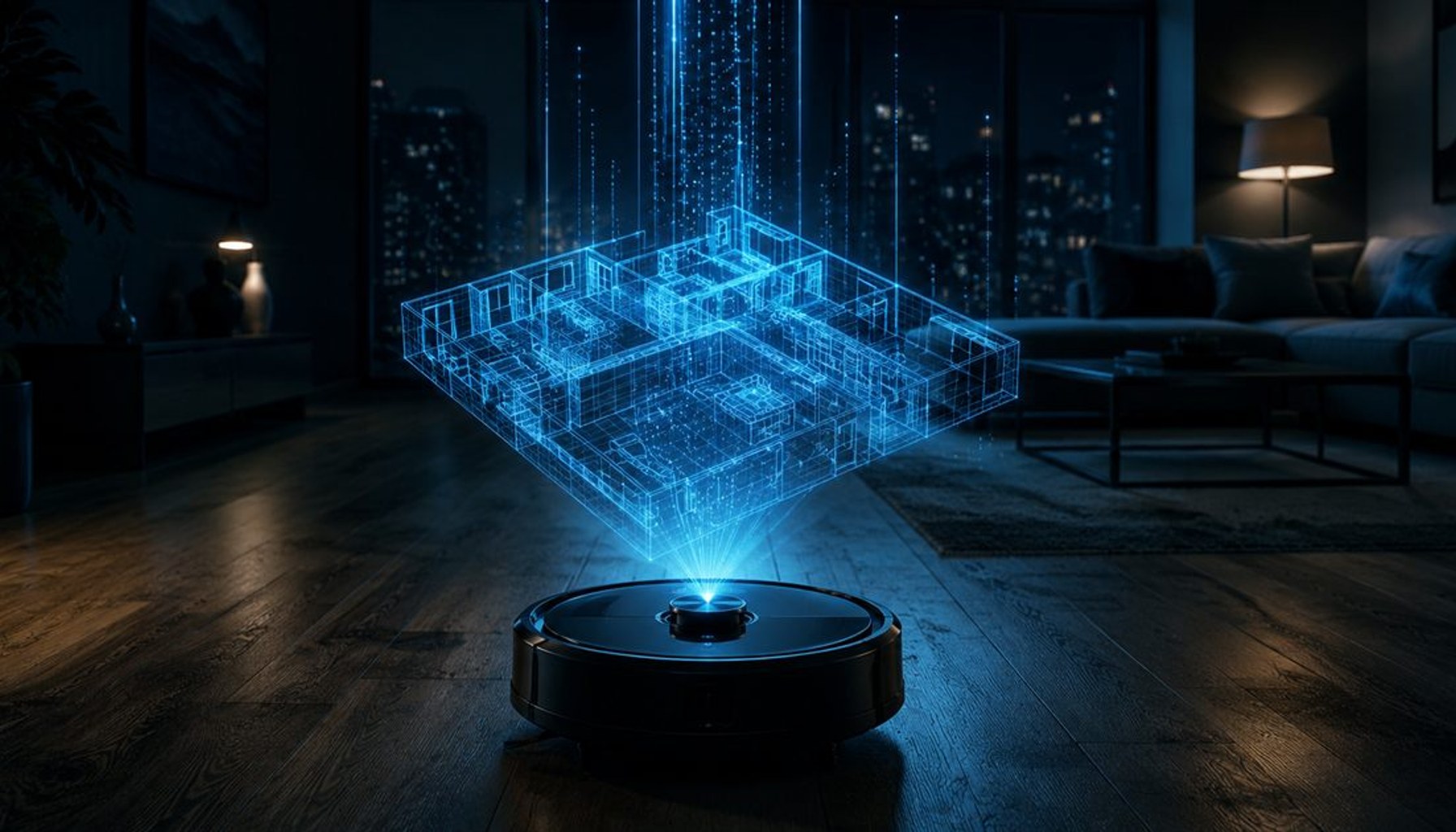
Image / SmartHomePerfected
Your robot vacuum just turned into a home data map. Two leading brands, Roborock and Dreame, have updated privacy statements this year that lay out what they collect, where it travels, and how long it sticks around. The changes are not a scandal or a recall, but they do mark a turning point in how consumer cleaning devices become data assets rather than purely mechanical helpers.
Roborock’s disclosures underscore a shift in where your home data goes. In March 2025 the company updated its privacy policy to say it collects and processes personal data in China. That is a reminder that even when the device ships to many markets, the core of the data handling framework may be anchored in a specific jurisdiction. The company’s app privacy policy, updated to be effective as of June 22, 2026, explicitly lists data center locations in China, Germany, Russia, and the United States. In practice, that means the detailed floor maps created by a Roborock model, including room layouts, furniture positions, and the paths household members walk, may be stored or processed in multiple places rather than purely on the device. For users who rely on LiDAR maps and camera-based obstacle photos, the maps can be extremely precise, tracing not just where you cleaned but how often and when you move through your space. The policy reframes a cleaning aid as a rolling sensor platform that continues to learn about your home long after the last sweep.
Dreame approaches data collection with a similar logic but adds its own angles. Dreame’s privacy disclosures show the Dreamehome app collects cleaning records, the maps the vacuum builds, the user’s browsing history inside the app, crash data, and the photos and videos captured by models that include a camera. Alongside that sits the usual account information you provide at setup, including name, email, and phone number. The live view camera, while offering real-time monitoring, is described as not storing footage during normal viewing unless you manually save it. That distinction matters: it gives users a clear control lever over what gets archived, yet it does not fully address the broader data trail created by continuous mapping and movement data.
Taken together, the two stories reveal a broader reality: a modern robot vacuum is less a gadget and more a data collection device that can map your home in granular detail. The maps live in an ecosystem of apps and cloud services, and the data flows can cross borders, complicating questions of privacy, consent, and who ultimately owns the home map.
From a practitioner standpoint, several concrete threads emerge. First, the value proposition of a cleaner that learns your space is matched by a privacy tradeoff: the more the device knows, the more there is to protect, and the more there is to breach if a vulnerability exists. Second, cross-border data centers introduce regulatory and enforcement risk; even if harm is unlikely, the data path is a potential weakness for sensitive information about the layout of living spaces. Third, camera features are the most sensitive data streams, even when live footage is not stored by default; users should actively review camera settings and understand what is captured and where it is stored. Fourth, the most practical move for consumers is to audit app permissions, disable unnecessary cloud features when possible, and keep an eye on policy updates that could broaden data sharing or regional storage practices.
The bottom line for shoppers is plain: these updates signal that your cleaning assistant is also a data asset for the vendor, with cross-border storage and multiple layers of data generated by movement, maps, and images. Whether this is acceptable depends on how comfortable you are with the tradeoffs between convenience, cleaner homes, and the privacy footprint attached to that convenience.
Total cost including subscriptions is not spelled out in these pieces; pricing and optional cloud services vary by model and region, and the articles do not provide a single figure to cite.
- Is Roborock Safe? What Your Robot Vacuum KnowsSmartHomePerfected / Mainstream / Published JUN 29, 2026 / Accessed JUN 30, 2026
- Is Dreame Safe? What Your Robot Vacuum KnowsSmartHomePerfected / Mainstream / Published JUN 28, 2026 / Accessed JUN 30, 2026