Smart bulbs are the wrong intro to smart homes
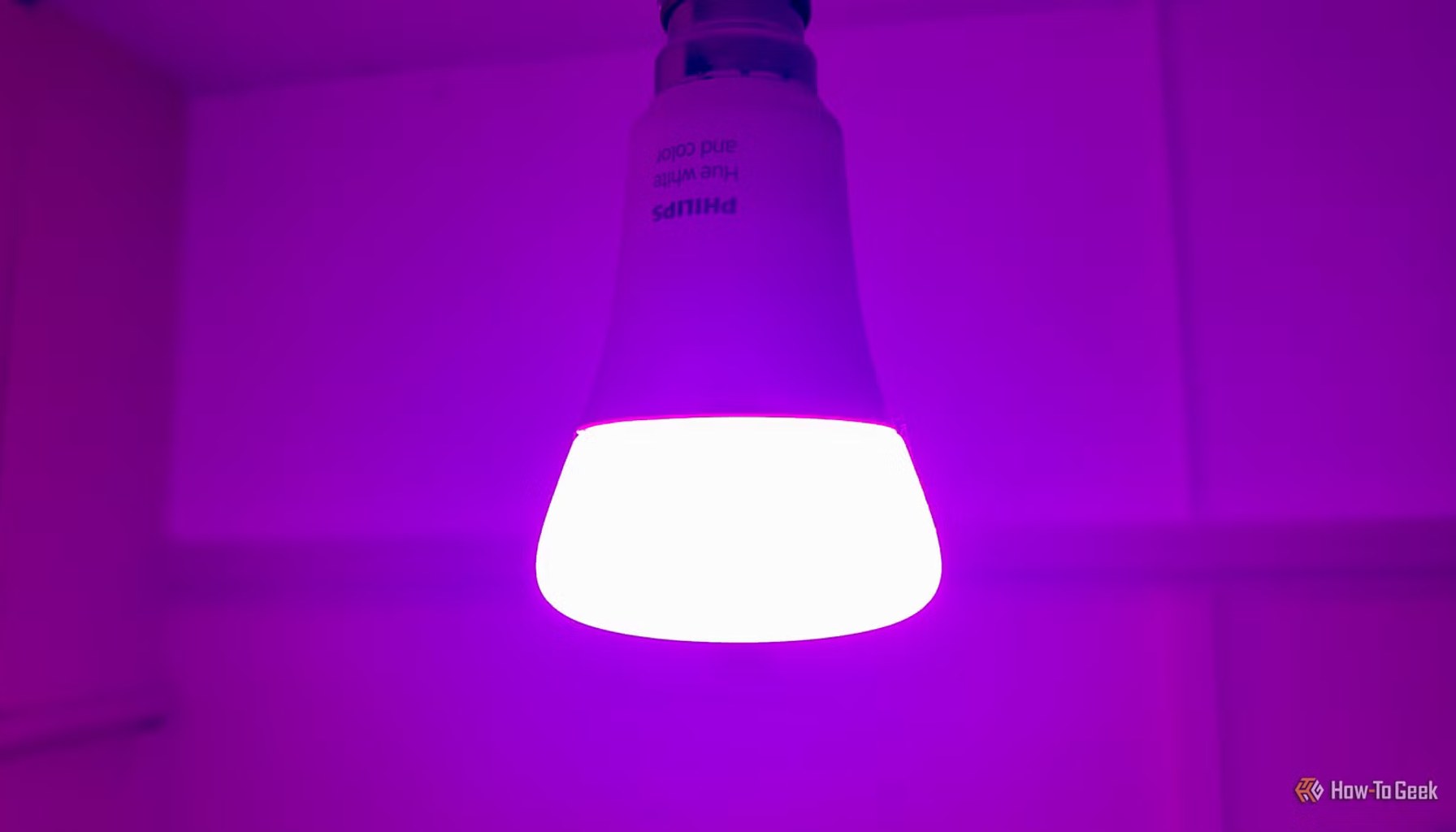
Your first smart home buy could lock you in.
Smart bulbs look irresistible: instant mood lighting, schedules, and voice control in a single room. They also come with a promise you can start small and scale later. But as the latest teardown of the smart home habit reveals, bulbs are often a trapdoor into a much larger ecosystem you may not want to live in for long. The appeal is simple enough: tap a switch, adjust a color, and pretend you own a future. The reality is messier: you end up investing in a brand, a cloud, and a spine of apps that will only feel lighter if you stay within that brand’s orbit.
The central catch is privacy and lock in. Many smart bulbs require you to create a cloud account and connect the device to an ecosystem that goes well beyond switching colors. The data trail can include timing patterns, room usage, and even routine shifts that reflect your daily life. Reviews show that this data collection is often invisible to the casual buyer, tucked behind menus and terms you may not read in full before you click "set up." The company says these features are optional, but in practice the most convenient controls, automation, and integration with voice assistants tend to lean on cloud services. In other words, the more you want your lights to behave like a smart assistant, the more you hand over control to a single vendor.
Cost is the other quiet factor. A starter setup typically involves bulbs that cost per unit, and if you want broad automation, a hub or bridge that acts as the local brain. You should expect one or more bulbs to run in the teens to low double digits, and a bridge or hub could push up the initial investment. Add in the possibility of cloud features that require a subscription, and the total outlay becomes more than a simple "price of bulbs." If you pursue cross-room automation or longer routines, you may find yourself buying additional bulbs, a bigger hub, or paying for cloud services you never needed the moment you bought the first bulb. In practice, the total cost can climb quickly from a modest impulse purchase into a noticeable annual or multi-device bill.
Reliability and future-proofing are another nagging concern. A bulb can work well enough on your home Wi-Fi, but when a firmware update comes through or a vendor sunsets a feature, you can be left with a device that still lights up but no longer plays nicely with your chosen ecosystem. The dependable, offline act of turning a light on should not depend on a cloud connection, yet many setups treat cloud access as the default for even basic automation. And if interoperability matters to you, you quickly discover how limited a closed, brand-specific system can be. Matter and Thread promise simpler cross-brand control, but adoption is uneven, and multiple ecosystems can still collide when you try to mix bulbs from different manufacturers with a single automation routine.
So what should a cautious reader take away? Start with a clear cost picture: estimate the bulbs, the possible hub, and any optional cloud services you might actually use. If privacy is a priority, demand a plan that minimizes cloud reliance and data sharing, or consider devices that offer robust local control. If you want breadth and flexibility across rooms and devices, plan for potential lock-in and whether you are comfortable migrating later. And if the goal is a genuinely future-forward, interoperable setup, monitor how quickly standards like Matter evolve and which brands embrace them without sacrificing ease of use.
In short, smart bulbs are tempting, but they are a narrow doorway into the broader smart home, not a passport to one open, vendor-agnostic system. For a one-room, color-changing fixture, you might pay a little, but for real smart home flexibility you may end up paying more later in privacy concessions, platform lock-in, and maintenance.
- Why smart bulbs are actually the worst introduction to smart homesHow-To Geek Smart Home / Independent source / Published JUN 11, 2026 / Accessed JUN 12, 2026