States push bans on young social media access
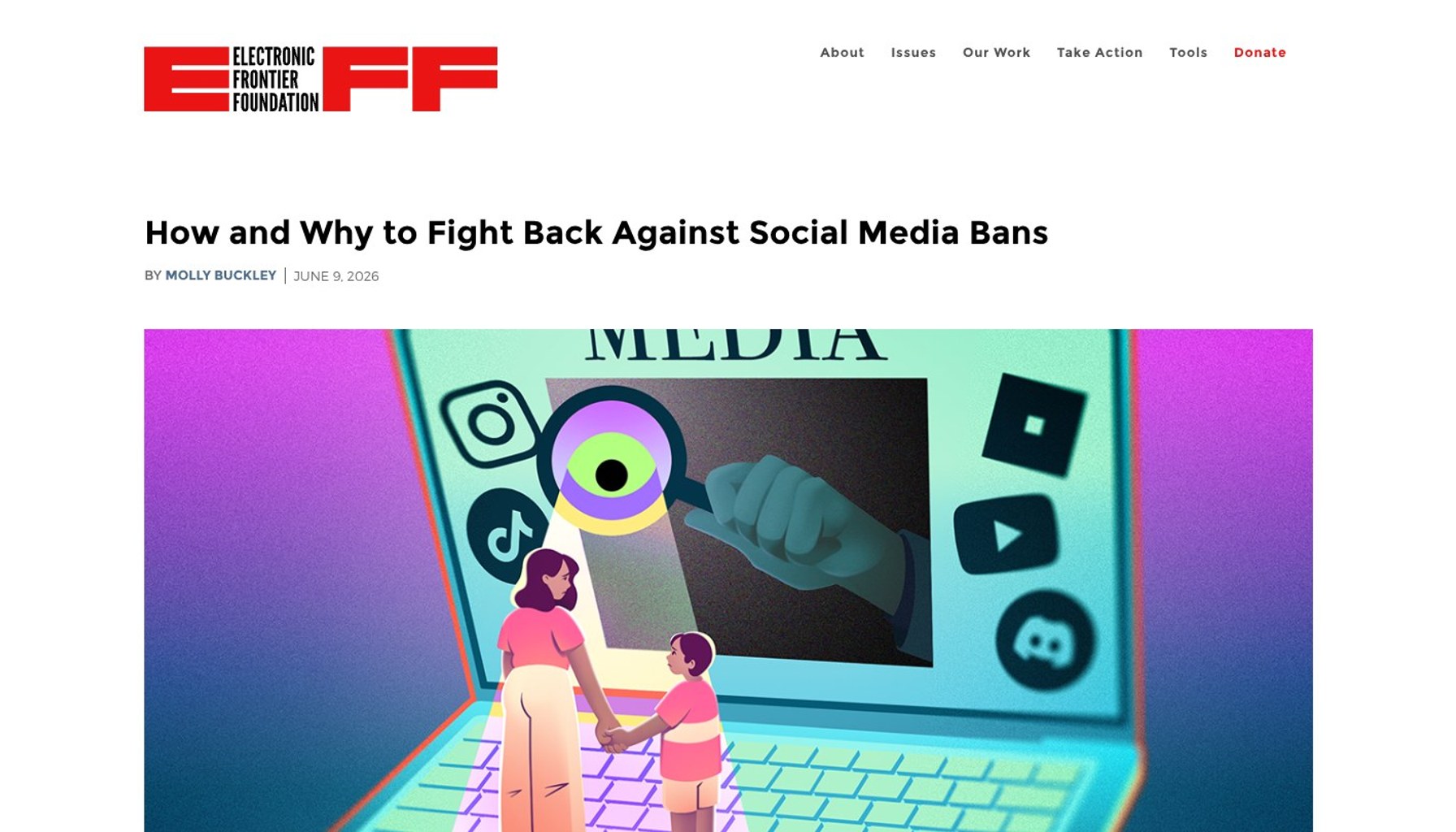
States are moving to bar teens from social media. A wave of bills in Massachusetts, Idaho, Minnesota, North Carolina, South Carolina, Illinois and California would tighten or outright prohibit underage access to major platforms, marking a sharp turn in the policy debate over youth online safety. California’s AB 1709 is often cited as a flat ban for all users below a specified age, while other states mix age gating with parental consent or feature controls that would default to stricter privacy and limits on minors.
The bills vary in approach. Some seek a universal prohibition for all users under a certain age, while others hinge access on verifiable parental consent or on age gating built into the platform. In several cases the proposals also regulate how platforms present accounts for minors, including default privacy settings, time limits, and notification preferences. The common thread, even among differences, is a government push to place tighter controls on what young people can see and do on the modern social public square. Advocates of the approach frame it as a protective measure for children from harms online; opponents warn of sweeping censorship and the creation of a mass surveillance system that concentrates data collection in the hands of governments and platforms.
Those warnings are front and center in the public debate. The Electronic Frontier Foundation has warned that once lawmakers establish the authority to verify and collect data on young users, the door may swing open to broader restrictions on lawful speech and wider data gathering. The EFF’s primer describes age gating not as a one off safeguard but as a gateway to more extensive monitoring and control across a growing set of online activities. The stakes are not only civil liberties but the financial and operational implications for platforms that would need to implement new verification and consent processes across multiple state rules.
From a policy perspective the enforcement question is central. If enacted, these measures would require platforms to implement age verification or consent workflows, and states would likely rely on civil or regulatory penalties to ensure compliance. In practice this means tech teams would need to build and maintain state-specific age gates, consent records, and feature defaults that differ by jurisdiction. The result could be a multi state, multi layer compliance stack that complicates product design, testing, and user experience. For compliance officers and tech leaders, the practical implications include the cost and complexity of maintaining divergent verification rules, the risk of false positives that block legitimate users, and the legal exposure that could come from disputes over what counts as verifiable consent or appropriate default settings for minors.
Looking ahead, the trajectory is uncertain and worth watching in the coming months. Which states push through specific language and what form the final rules take will shape platform engineering roadmaps and privacy compliance playbooks. If the bans advance, platforms will face a choice between building layered, state specific age gating and consent systems or risking noncompliance and enforcement actions. Either path will alter how quickly and how easily young users can engage with social media in those states. The broader political question remains: will parental consent and age gating be enough to allay safety concerns, or will they escalate into a broader regime of speech restrictions and data collection that extends beyond youth protection?
- How and Why to Fight Back Against Social Media BansEFF Updates / Independent source / Published JUN 09, 2026 / Accessed JUN 09, 2026