Tariffs and AI reshape global manufacturing strategy
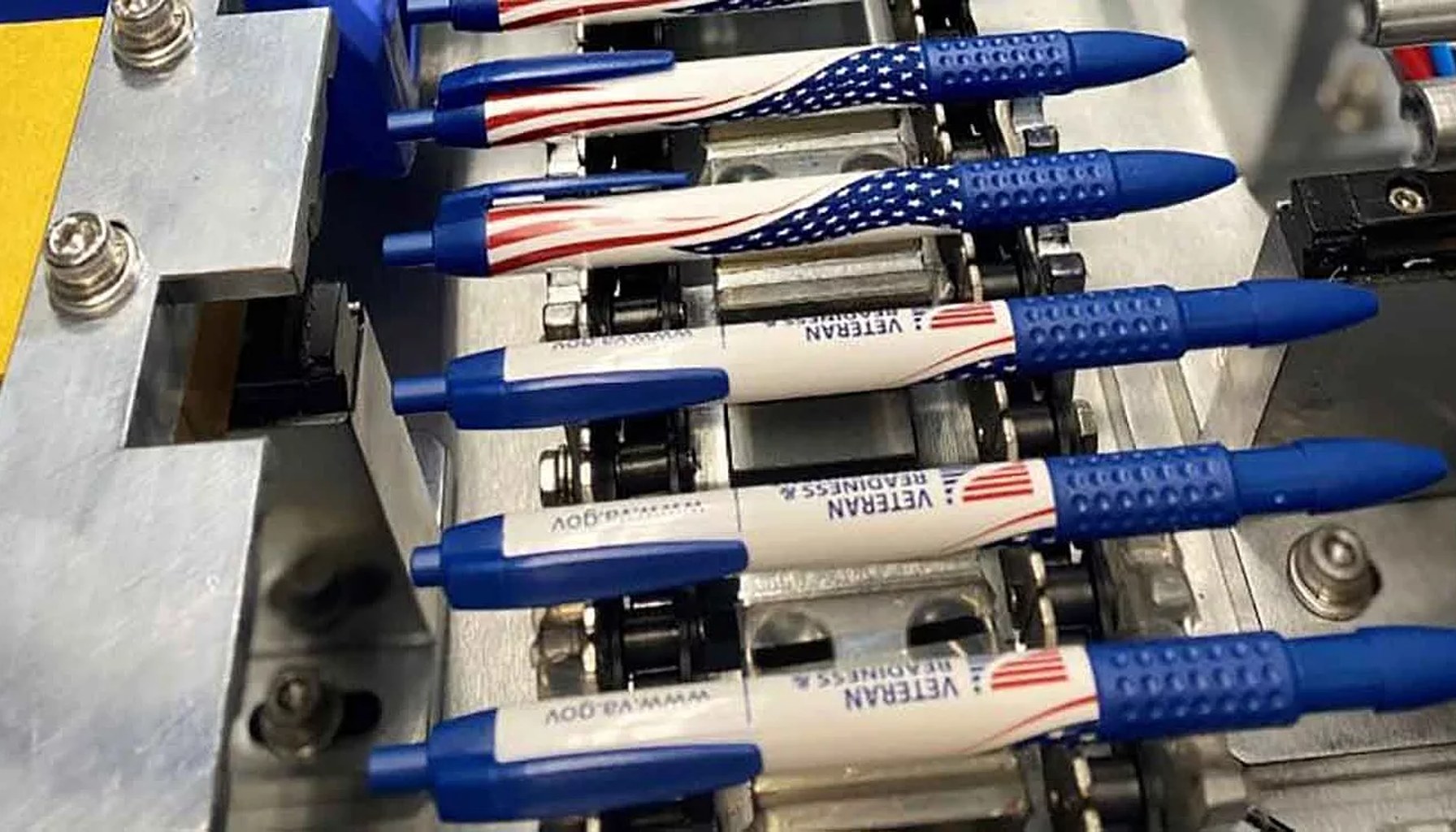
Tariffs, AI and automation are rewriting where auto and aero manufacturers choose to build.
In a Boston Consulting Group assessment cited by Assembly Magazine, rising tariff pressure, advanced automation and faster AI are prompting manufacturers to rethink factory footprints across the automotive and aerospace sectors. Deployment data shows the cost calculus is no longer dominated by low-wage labor alone; producers are weighing supply-chain resilience and proximity to markets against upfront automation spend and ongoing maintenance. The case study reports that the ROI story hinges on gains in throughput and reductions in downtime, not just the glossy promise of a smart factory.
The trio of forces is nudging production closer to core markets in many cases, even where labor arbitrage once made distant plants attractive. The logic is straightforward: if tariffs raise cross-border costs and automation can reliably lift throughput, the payoff from localizing a line can be competitive with the savings of offshore labor. But the shift is not a simple relocation. It requires careful calibration of capital outlays, plant redesigns and long-run operating models to ensure that shorter cycle times translate into meaningful capacity gains.
Two operating realities shape the path forward. First, while automation can shorten cycle times and raise throughput, the scale of the improvement depends on the depth of system integration. Plant lines must be stitched into existing data platforms, ERP and MES ecosystems, with consistent data flows that support real-time decision making. Second, the true value emerges only when the automation stack is paired with disciplined change management and supplier ecosystems capable of delivering end-to-end support, from robotics hardware to AI guided quality control.
The integration challenge is nontrivial. Institutions must plan for compatibility with legacy PLCs, digital twins and analytics workloads, plus robust cybersecurity against rising threat surfaces in connected factories. In practice, this means not only purchasing robots but building a data backbone across multiple facilities so that a single anomaly on one line can be detected and corrected anywhere in the network. The case study emphasizes that deployment success relies on phased, scalable implementation and the resilience of the supplier base to support multi-plant rollout.
When skilled trades are involved, automation tends to augment inspectors and welders, with electricians and technicians playing a central role in commissioning and ongoing maintenance. The work shifts toward higher-skill craft labor that designs, tunes and optimizes automated systems, while robots handle repetitive tasks and condition monitoring. This is not plug-and-play; two weeks of debugging is a common misnomer in manufacturing circles, and leaders must budget for a learning curve, iterative tuning and close collaboration between operations and engineering.
Practically, leaders should watch for two big indicators in the near term. One, the pace of tariff policy and trade-relief measures, which can alter the economics of near-shoring versus offshoring. Two, the ability to sustain throughput gains through reliable integration and supplier coordination, otherwise the capital spend will not translate into the expected operating leverage. The broader takeaway for plant managers and CFOs is that tariffs, AI and automation are not mere cost-cutting tools; they are strategic bets on how value is created across the supply chain, with the most resilient operators tying factory design to predictable, data-driven performance.
- Tariffs, AI and Automation Reshape Global Manufacturing StrategyAssembly Robotics / Independent source / Published JUN 03, 2026 / Accessed JUN 03, 2026