Tiny fine tuning trick boosts AI tool calling accuracy
A tiny fine tuning trick reduces tool calling errors in AI assistants. As agents tackle increasingly complex, multi step tasks, picking the wrong tool or misformatting parameters hurts speed, raises errors, and inflates support costs. The AWS post notes that when tool selection goes off track, task completion times grow, error rates rise, and user experience degrades. The team reports that nudging a small language model with a focused training recipe can improve tool calling in production like settings, a crucial advance as organizations move agentic apps from pilot to production.
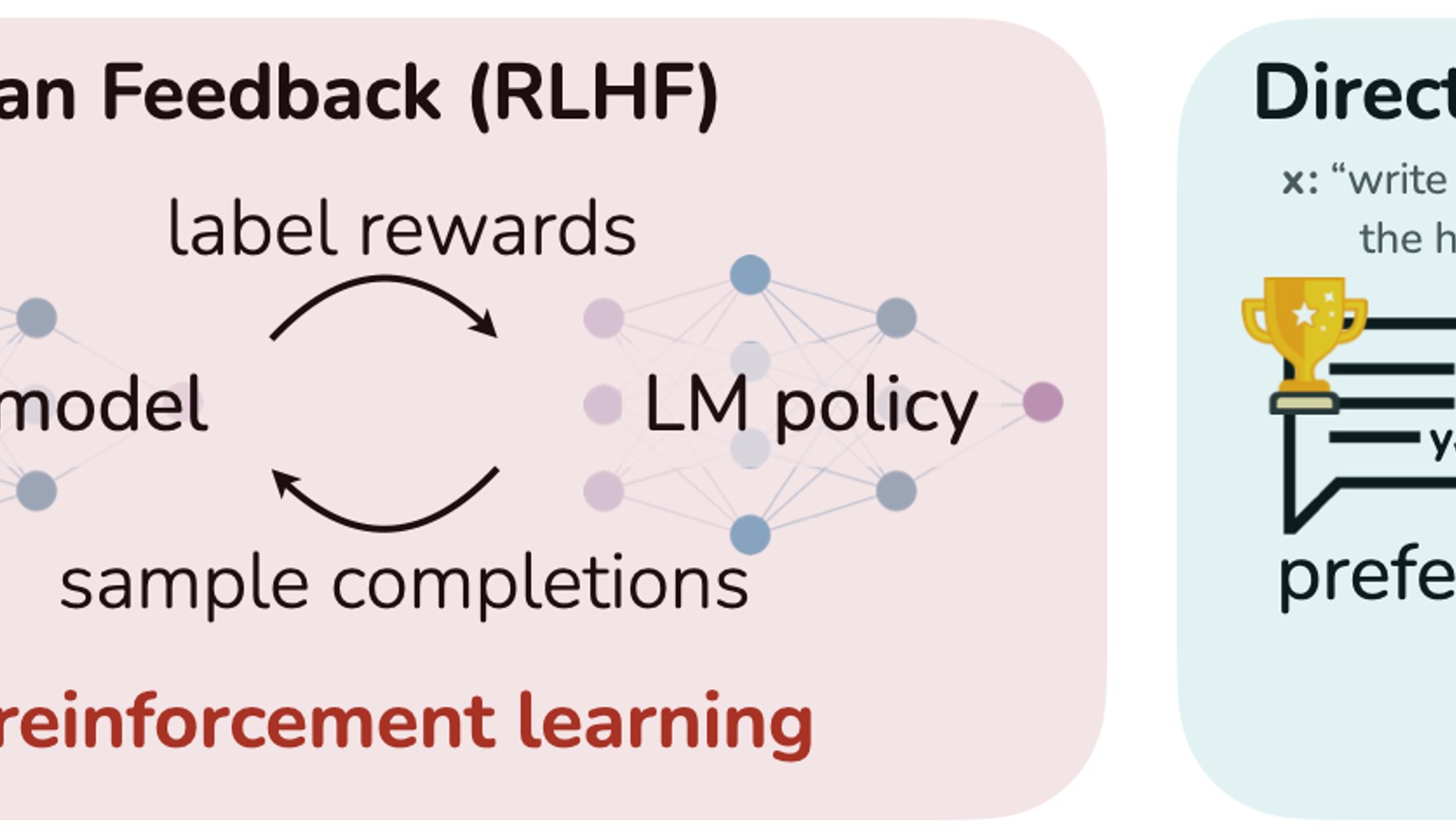
The core idea sits at the intersection of two established techniques: Supervised Fine-Tuning and Direct Preference Optimization. The article explains that SFT involves curating a high quality dataset that mirrors the model’s intended function, teaching the model the exact language, commands, and constraints required to interact with tools. DPO then refines those behaviors by weaving human preferences or predefined objectives directly into the training loop, emphasizing 'like this, not like that' outcomes. When paired, these methods align the model’s tool usage with real world expectations and workflows, reducing the mismatch between intent and action.
The demonstration centers on Amazon SageMaker AI training jobs. By using SageMaker as the training substrate, the work lets practitioners focus on the training code rather than infrastructure concerns, which is a practical bottleneck as teams scale. The example emphasizes evaluating tool calling accuracy and comparing a base model against several fine tuned variants to make data driven decisions about model quality. The benchmarks serve as a proxy for real world reliability: can the agent consistently choose the right tool, send properly formatted parameters, and maintain a reliable workflow across diverse requests?
For engineering teams, the story offers concrete takeaways beyond the headline claim. The team reports that the combined SFT and DPO approach yields observable gains in tool calling accuracy compared with a non tuned base model and several tuned variants. Benchmarks indicate where the improvements show up and how much the model's behavior aligns with the intended tool protocols. The emphasis on data driven evaluation helps teams quantify the return on fine tuning investments and decide when the added training is worthwhile for their specific tool catalog and automation goals.
Practitioner insights you can apply today
The take home: if you want production ready agentic apps, this recipe offers a tangible engineering path. By combining curated supervised data with preference driven optimization, teams can push tool calling reliability beyond pilot stage experiments and toward consistent, scalable automation. The approach, grounded in SageMaker training workflows and validated by targeted benchmarks, illustrates how small, deliberate changes can reshape the reliability of automated agents in real world workflows.
- Improve your agent’s tool-calling accuracy with SFT and DPO on Amazon SageMaker AIAWS Machine Learning / Primary source / Published JUN 03, 2026 / Accessed JUN 06, 2026