Toyota deploys 436 Geekplus robots across Japan plants
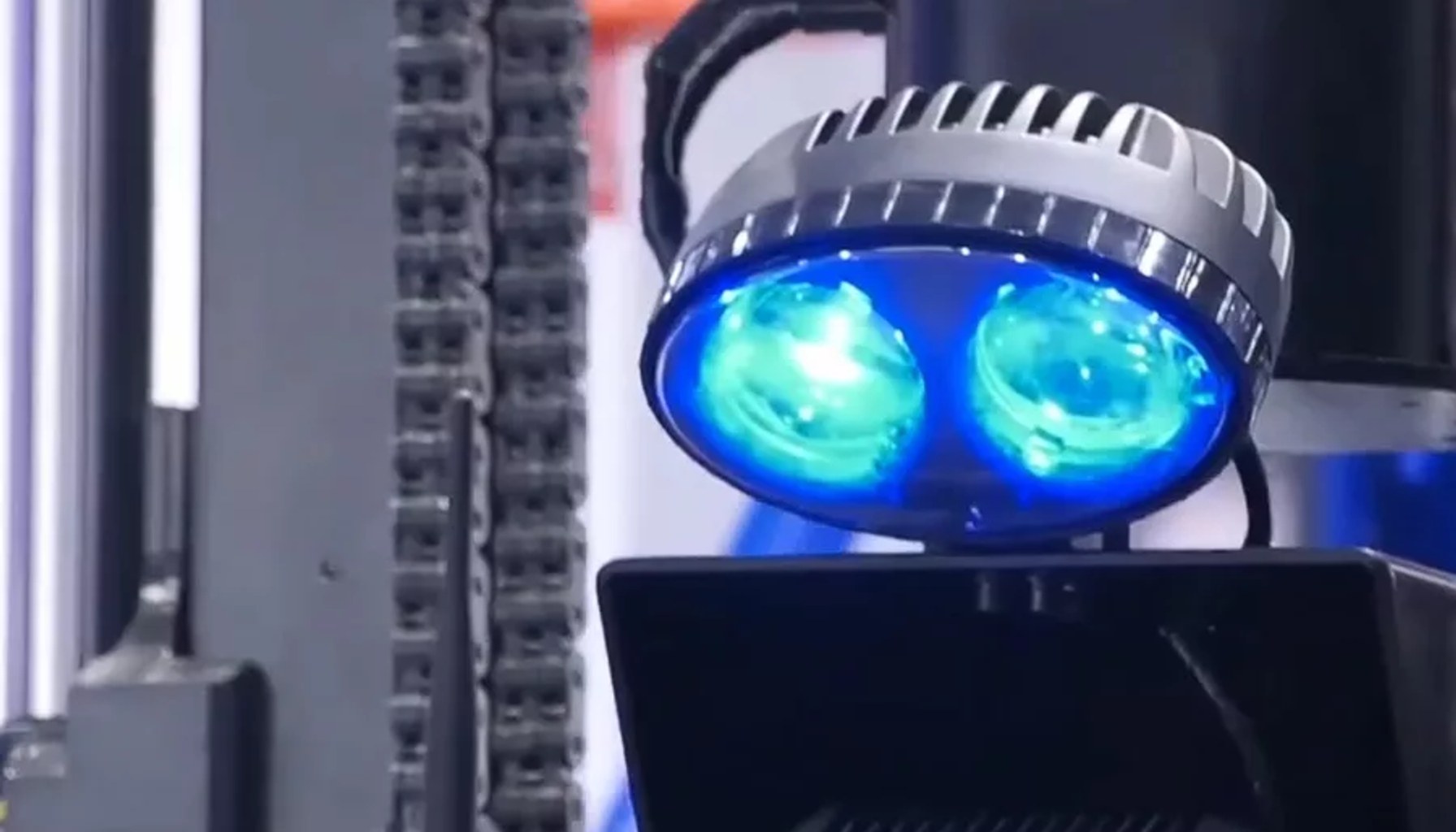
Toyota has deployed 436 Geekplus autonomous mobile robots to move parts and materials inside its Japan plants. The robots shuttle goods from inbound receiving to picking and processing areas, and the effort spans multiple facilities rather than a single pilot site. The goal is to speed the internal part flow and raise throughput by reducing manual handling and unnecessary walking.
From an operations perspective, the move signals how OEMs view internal logistics. The target is to shorten the cycle time for moving parts from dock to line side and to smooth bottlenecks that arise when human workers rely on manual hoists, carts, or repeated walking paths. In practice, the fleet is expected to continuously move pallets, totes, and components between receiving bays, staging zones, and assembly cells to align with the cadence of production lines. The intended result is a steadier flow, fewer delays waiting for mobile transport, and less variance in part arrival times at the point of use. Deployment data shows Toyota has staged scale and scope to test these benefits across multiple plants, not a single testbed site.
The reality behind the headlines is that a deployment of this magnitude is a study in ROI as much as robotics. Plug and play promises rarely survive the first week of real factory floor conditions, and Toyota’s rollout is no exception. The case study reports that achieving reliable autonomous movement requires careful mapping of walkable routes, robust error handling for misrouted parts, and safety interlocks that keep human workers in the loop during busy shift changes. In practice, this means weeks of calibration work, including sensor alignment, zone definitions, and gripper tuning, followed by ongoing adjustments as line configurations change with product mix. The ROI logic rests on eliminating repetitive manual movement, reducing human travel time between zones, and enabling staff to focus on value added tasks such as quality checks and line side replenishment. In other words, automation here is an operations upgrade, not a miracle cure for headcount.
Integration is a critical, ongoing thread. In plant AMR fleets must work in concert with existing plant controls, material handling systems, and line side kitting workflows. That requires alignment between the robots, the plant’s control software, and the production schedule so that path planning is responsive to real time line status. For Toyota and similar manufacturers, the payoff is measured not just in distance moved per shift, but in the consistency of part delivery to the line and the ability to rebalance flows when a line goes down or a delivery spike occurs. The case study underscores that coupling robotic mobility with lean scheduling is where the true value lives.
Industry practitioners watching this deployment will note the way automation augments craft labor rather than replacing it. Robots take over repetitive, back and forth transport, while skilled workers remain engaged with loading, unloading, and exception handling, and with periodic maintenance of the mobile fleet. Expect dedicated maintenance support, routine calibration checks, and remote monitoring to be critical components of ongoing reliability. A second practical insight is that the scale of 436 units amplifies both the potential gains and the risk of misalignment if routes and safety protocols drift. The third takeaway is that the ROI is highly sensitive to how well the system integrates with the production schedule and inbound receiving practices, the more tightly those interfaces are defined, the stronger the case for accelerated throughput and shorter cycle times.
The Toyota deployment signals a broader industry shift: large OEMs are betting that AMRs can stabilize internal logistics at the scale of an entire manufacturing network, not just pilot lines. When executed with disciplined integration, ongoing calibration, and a clear tie to production metrics, the gains in cycle times and throughput can justify the upfront investment and ongoing maintenance costs. In the end, this is less about a fleet of robots and more about reengineering internal logistics as a core operation metric, an expensive but increasingly practical lever for improving manufacturing efficiency.
- Toyota Deploys Geekplus Robots for Factory Material HandlingAssembly Robotics / Independent source / Published JUN 12, 2026 / Accessed JUN 13, 2026