Unused smart gadgets slow your network and cost money
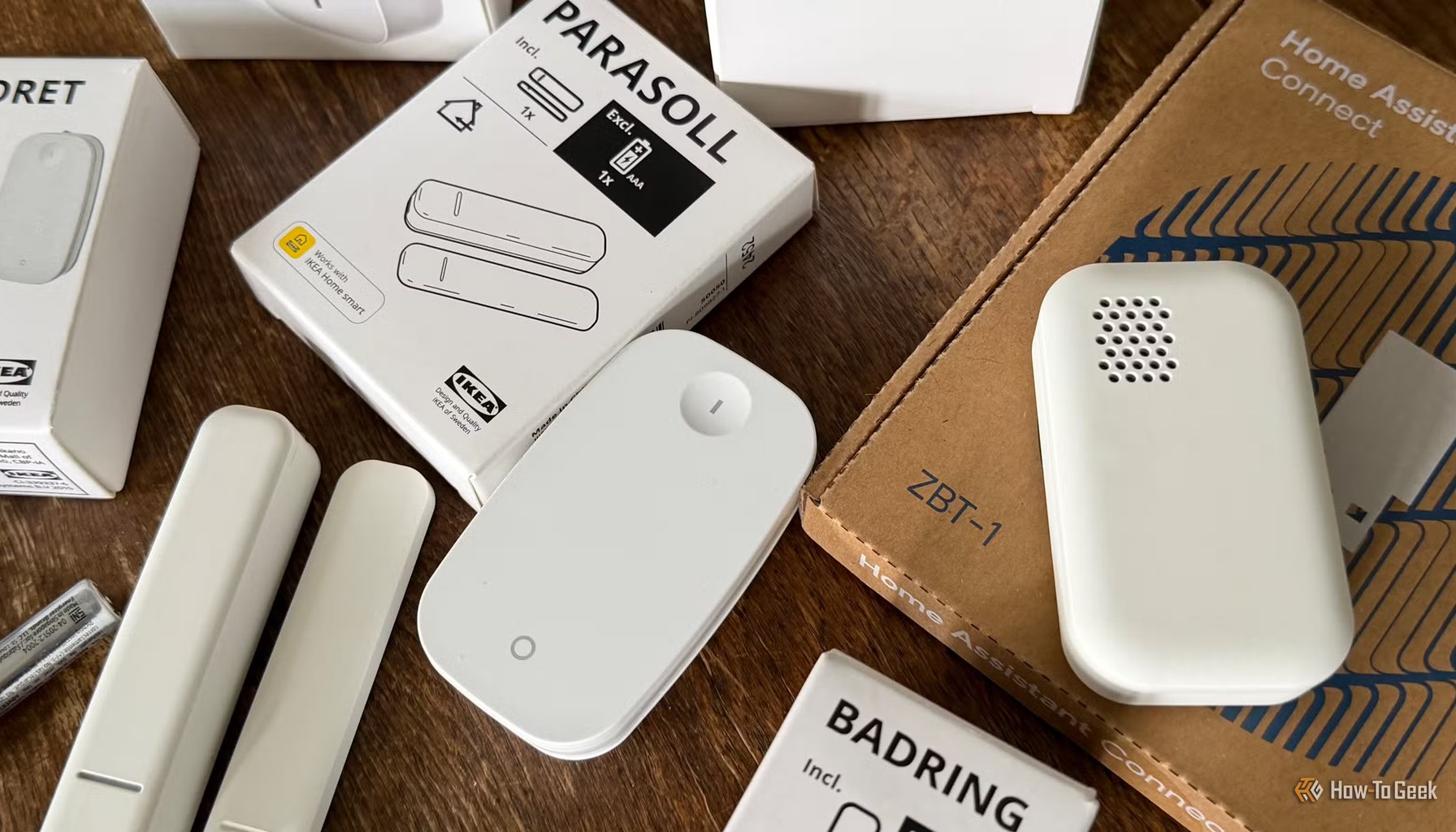
Your smart home can slow your Wi-Fi and drain cash.
Idle gadgets clutter the network. They stay plugged in, constantly talking to hubs, apps, and cloud services. The takeaway is simple: the more devices you keep idle, the more the network has to handle, and the more you pay in energy and maintenance. Even affordable items that market themselves as Matter compatible can become a traffic jam if you do not manage them or retire them when not needed.
The issue is not only the space they occupy in your device rack. It is the ongoing chatter idle gadgets generate. Discovery signals, periodic status checks, and background updates keep a device within reach of your router, often without adding real value. This traffic is not free; it can translate into longer load times for streaming devices, slower smart home routines, and a more stressed network stack. Since many gadgets connect to cloud services and hubs, the cost is not limited to electricity. Subscriptions for premium features, extra storage, or cloud-based automation add ongoing expenses if you do not audit what you actually need.
From a privacy and security angle, idle devices present a keepalive risk. The more devices you own, the more surfaces exposed to bugs, firmware gaps, or misconfigurations. Even if a device is not used every day, its telemetry and firmware checks can create unnecessary data flows to manufacturers and cloud providers. Matter aims to improve interoperability across ecosystems, but it does not automatically solve the economics of keeping every device online and updating in the background. A standardized protocol helps you connect things, but it does not automatically reduce the cost or privacy footprint if you keep unused hardware spinning.
What should a careful consumer do? The article offers a practical framework for thinking about efficiency, cost, and risk. Start with an audit: inventory every gadget connected to the network, confirm whether it is essential to daily routines, and check if the device still gets regular updates or cloud features you actually use. The quickest wins come from unplugging or disabling devices you do not need, moving to a single hub for central control, and segmenting your IoT devices on a separate network so heavy traffic does not collide with your primary streaming and work gear. If a device is essential but rarely used, look for ways to minimize data flows. Disable nonessential telemetry, reduce polling intervals, or switch to devices that offer local control so activity stays on the home network rather than bolting to the cloud.
Industry observers stress the importance of lifecycle discipline. The temptation to keep a gadget because it is cheap and familiar is strong, but the payoff of a lean, well tuned setup grows with the number of devices. The ongoing cost is not just the sticker price but the cumulative load of energy, bandwidth, and optional cloud services, especially when devices sit idle for long stretches without delivering meaningful automation. In the near term, look for devices that favor local control, transparent privacy settings, and clear energy use claims. In the longer term, expect more robust auditing tools and better network management features to help households simplify their smart ecosystems without sacrificing convenience or security.
- Unused smart home gadgets are slowing down your network (and costing you money)How-To Geek Smart Home / Independent source / Published JUN 06, 2026 / Accessed JUN 06, 2026