Agentic AI Redefines Field Safety
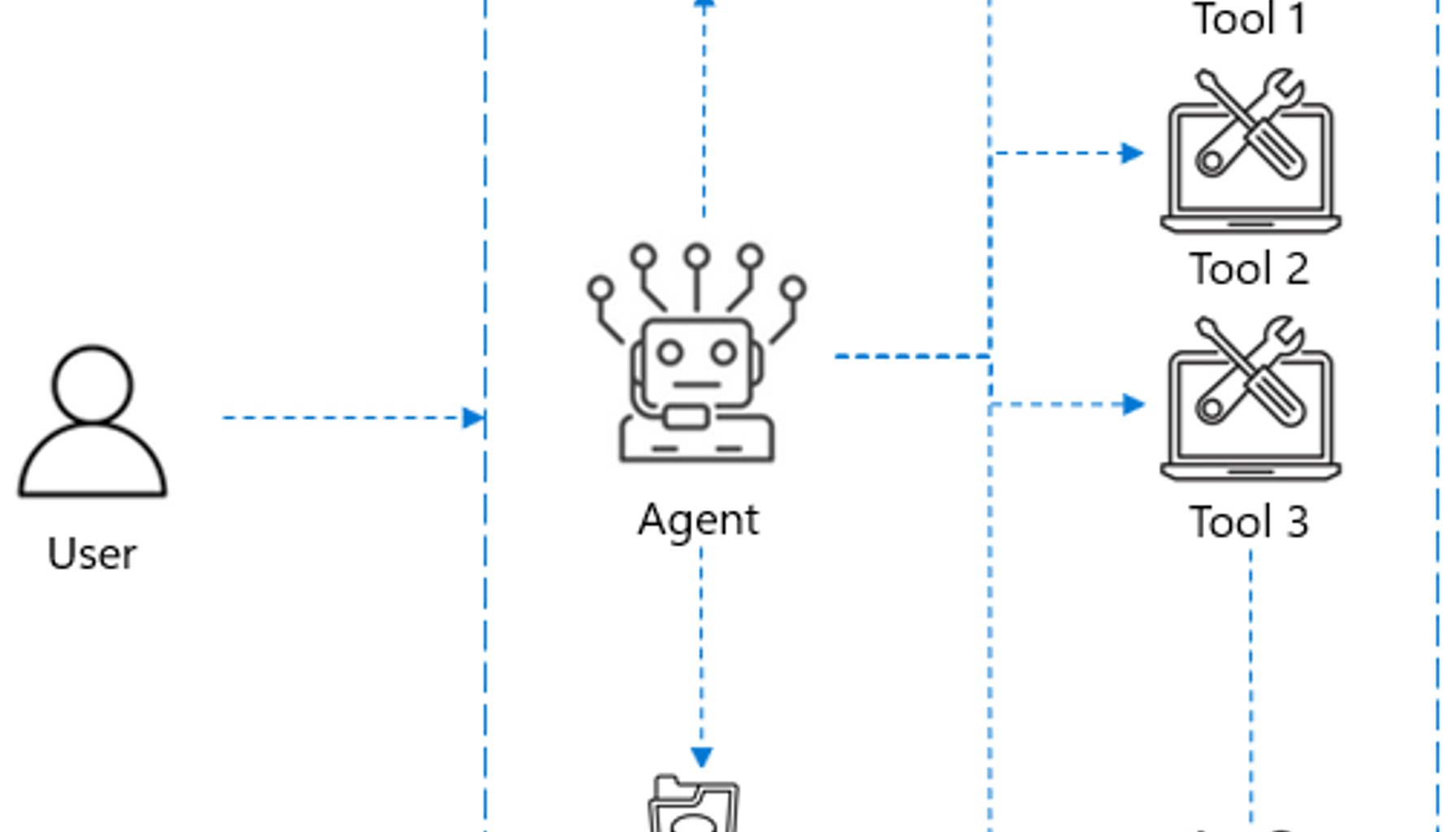
Agentic AI just rewrote field safety by predicting hazards before they happen. This approach uses autonomous, collaborative AI agents to create intelligent safety perimeters, coordinate real time emergency responses, and adapt as conditions change on the ground.
In energy manufacturing and grid work, the technology is positioned as a way to keep workers safer without dragging down throughput.
The energy sector operates heavy equipment, from drilling rigs to transformers, that powers global operations, yet behind every machine is a workforce navigating complex, hazardous environments. Agentic AI architectures aim to extend safety management beyond static rules by actively sensing conditions, forecasting risk, and guiding responders. Production data shows these systems can reshape how safety is managed on factory floors, field sites, and control rooms, with the promise of protecting workers while preserving regulatory compliance.
Proponents argue the payoff is measurable: dynamic safety perimeters that adjust to weather, load, and workflow in real time, and predictive capabilities that surface hazards before they materialize. The claim is that such systems deliver unprecedented worker protection without sacrificing efficiency or compliance, a balance CFOs want when approving safety investments. Integration teams report that the technology can deliver clear safety improvements and streamlined governance, though the path to deployment hinges on how well the human and AI layers work together.
Deployments typically require explicit preparation. Integration teams indicate that bringing agentic AI into the field demands floor space for sensors and edge devices, reliable power for edge compute, and structured training hours for operators and safety staff who will interpret AI outputs and intervene when needed. In practice, this means projects must budget time to align control room workflows with field realities and ensure that automated recommendations are properly audited before actions are taken.
Even as the technology promises safer work, human judgment remains essential. AI can forecast risks and coordinate responses, but on-site supervisors, technicians, and safety officers still verify conditions, approve interventions, and manage escalation paths. The consensus among practitioners is that agentic AI augments skilled trades and craft labor rather than replacing them, shifting the value pool toward better hazard awareness and faster, coordinated reactions.
What to watch next, from a practitioner’s lens, is how these systems scale across different sites and how they handle false positives or ambiguous scenarios. If the dynamic safety perimeter can be tuned to local conditions and integrated with existing safety protocols, the ROI hinges on reliable orchestration between AI predictions, human oversight, and regulatory requirements. In the field, that balance is what turns a promising demo into a deployable safety asset.
- How is agentic AI revolutionizing worker safety in the field?plantengineering.com / Source role not classified / Published MAY 04, 2026 / Accessed MAY 06, 2026