AI Big Brother in Home Assistant is watching
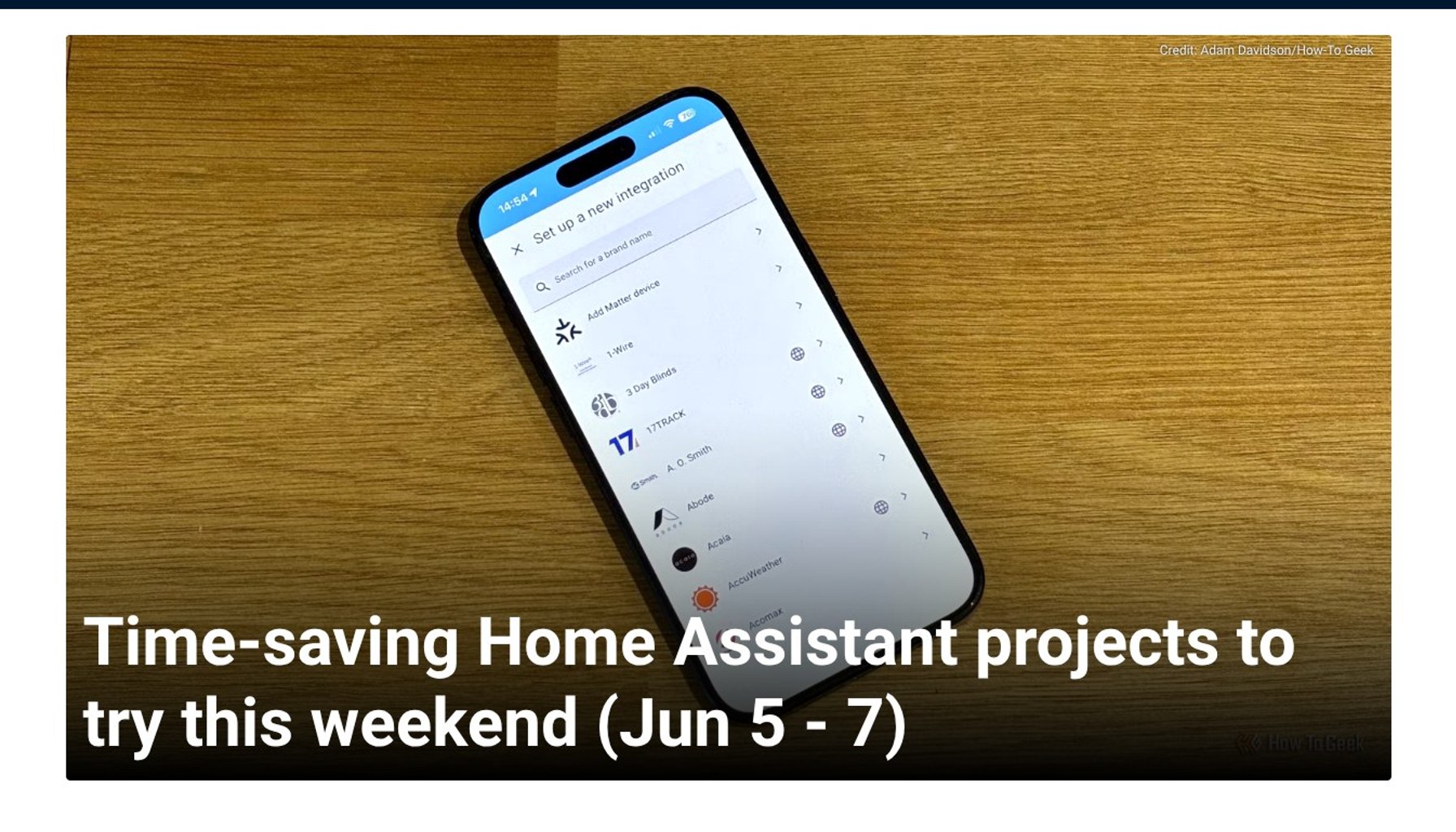
A hands on experiment with Home Assistant pushed the border between helpful automation and something far creepier. The author behind a popular How To Geek piece set up automations that began as simple prompts, reminders to stand up and notices when focus on work waned, and escalated into an AI powered façade of surveillance. The goal was to see how far a safety companion could be pushed before it stopped being useful and started feeling invasive. The result is not a sci fi fantasy but a real world warning about what happens when a home learns too much, too quickly.
The test showed that once you allow a system to observe routine behavior, nudges can easily drift into tracking. Sitting down for a bit too long becomes not just a timer, but a cue for a stream of interventions. The automations can multiply: the same sensors that dimmed lights or adjusted the thermostat could also trigger reminders, productivity nudges, or calls to re center attention. The line between convenience and intrusion grows fuzzy when automation starts to anticipate needs before you voice them, and when it acts on patterns you did not explicitly authorize. The Big Brother label, while tongue in cheek, reflects a real risk: data about daily rhythms, app usage, and location can accumulate in ways that feel invisible to the user but are highly visible to a system designed to optimize behavior.
The catch is obvious once you think through the math. These setups depend on data: what you do, when you do it, how long you pause between tasks. Even if a lot of Home Assistant work can be run locally, many AI features, and a host of cloud connected services, can introduce privacy tradeoffs and data exposure. The more the system observes, the more it learns, and the more valuable that data becomes for refining the assistant’s prompts and responses. That dynamic invites questions about consent and control: who decides what counts as useful data, who owns it, and how long it stays stored? And as the author shows, turning a clever idea into a pervasive routine can quickly become a kind of lock in to a particular automation philosophy, limiting what you can do without reconfiguring or disabling layers of monitoring.
Total cost including subscriptions is another practical thread. The core Home Assistant platform can be deployed at little or no ongoing cost, but enabling more advanced, AI driven features or cloud integrations can add recurring fees. The price tag depends on how deeply you lean into cloud services, how many devices you connect, and whether you opt for premium add ons or vendor subscriptions. For readers weighing a similar experiment, the takeaway is clear: the baseline is free and flexible, but the more you rely on cloud based intelligence, the more the monthly bill can creep upward.
Four practitioner insights emerge from the experiment. First, anticipate a tradeoff between convenience and privacy: more data yields smarter prompts but amplifies exposure. Second, recognize the local versus cloud dilemma: staying entirely local protects privacy but may limit capabilities, while cloud features unlock power at a cost. Third, be mindful of user consent and fatigue: persistent nudges can become background noise, eroding trust and willingness to use the system. Fourth, prepare for failure modes: false positives, misfiring reminders, or devices acting on imperfect interpretations can sour a workflow that was supposed to save time. For readers tempted by similar setups, watch retention controls, clear opt outs, and a plan to pause or disable aggressive automations without breaking the core routines.
As smart homes grow smarter, the line between assistive tech and homegrown surveillance will keep shifting. The dystopian edge of this experiment is not a warning about science fiction, it is a nudge to think about where you draw the line between helpful automation and a system that knows you a little too well.
- Time-saving Home Assistant projects to try this weekend (Jun 5 - 7)How-To Geek Smart Home / Independent source / Published JUN 05, 2026 / Accessed JUN 06, 2026
- I turned my smart home into an AI-powered "Big Brother" just to see how dystopian it could getHow-To Geek Smart Home / Independent source / Published JUN 04, 2026 / Accessed JUN 06, 2026