California rewrites rules for driverless testing
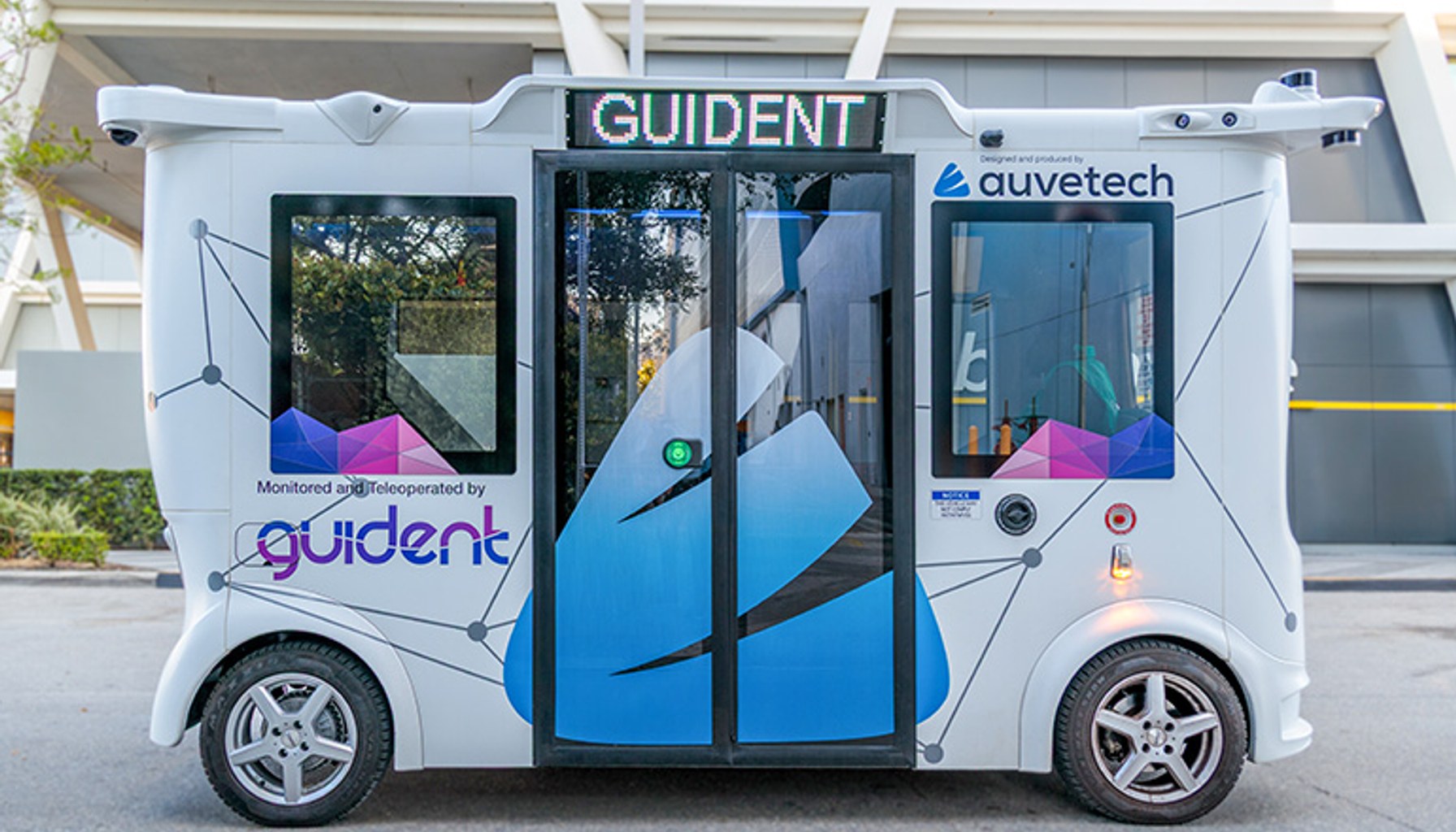
Image / The Robot Report
California just turned driverless testing into a mile by mile audit.
California is rewriting the road for autonomous vehicles, swapping the tech industry’s “move fast and break things” creed for strict accountability, tickets, geofences, and mile hurdles that must be cleared before more public road time is granted. The new regime hinges on precision tracking of how AVs perform across defined geographies, with the goal of proving safety and reliability across a growing and more visible deployment footprint. The framework is designed to prevent black box progress and to demand verifiable progress, and it comes with a bold mile marker: the promise that testing can advance within geo fenced corridors and on public roads only under rigorous oversight. Deployment data shows the mile milestones and the enforcement tools are now central to how and where AVs can operate.
The regulatory architecture itself is not monolithic. Federal oversight of AVs remains split across three vehicle classes, each governed by its own rules and testing pathways. California is calibrating state practices in step with those federal distinctions while pressing for milestones that push the industry toward scalable, safe operation. The emphasis is not simply on collecting miles but on ensuring the measurements behind those miles are auditable, repeatable, and tied to concrete safety outcomes. In short, the legislature and the agencies want to see that progress is traceable, auditable, and aligned with public safety expectations, before more complex or higher speed deployments are permitted.
Against this backdrop, Guident’s AuveTech shuttle program in South Florida has become a practical node in the larger compliance puzzle. The operator is running a four mile route in West Palm Beach and a one mile route in Boca Raton, all under a remote monitoring and control stack that is designed to keep the car on the intended course and inside the geofence. The system is not about wild experimentation; it is about disciplined oversight that can be audited after the fact and during operation. The emphasis on remote oversight reflects a broader industry shift toward centralized observability as the operating backbone for AV testing on public streets. In California, the same logic is unfolding at a state level, where the number of miles driven under controlled conditions and the integrity of the oversight data are now directly tied to the authorization to advance testing.
From the plant floor to the street, the ROI logic is clear but unforgiving. For operators, the immediate question is not simply how much testing you can squeeze in, but how you prove safety and regulatory compliance without slowing down the pipeline. Deployment data shows that remote monitoring and geo fencing can become the linchpin for scaling test programs, but they come with integration demands and ongoing costs. The monitoring center must securely ingest vehicle telemetry, maps, and incident data, then generate auditable reports that satisfy regulators. For the teams in the field, the tradeoffs are real: more robust control rooms and data pipelines mean higher upfront and ongoing costs, but they also reduce the risk of public incidents and the chance of a costly regulatory setback that halts operations.
A practical takeaway for operators weighing automation investments is the need to connect the dots between geofence design, remote supervision, and the cadence of regulatory reporting. The case study in California points to a future where compliance is not a bottleneck but a standard operating rhythm, with cycle times for verification and response becoming a predictable part of the deployment tempo. Throughput, in this sense, is shaped by how quickly miles can be validated within geofenced corridors under audit, while integration requirements determine how smoothly a program can scale from a handful of routes to a broader network. The overarching lesson is blunt but essential: automation works best when governance, technology, and on road practice move in lockstep rather than in parallel.
The road ahead will test how aggressively the industry can expand within the new compliance framework. Guident’s example shows a clear path: disciplined, geofence driven testing augmented by robust remote oversight. If California’s approach proves scalable, the model could unlock more autonomous freight and passenger operations, all while maintaining the public’s confidence in safety and accountability.
- Tickets, geofences, and 1M miles: The new reality of California AV complianceThe Robot Report / Trade / Published JUL 08, 2026 / Accessed JUL 10, 2026