Lubrication Strategy Drives Plant Uptime
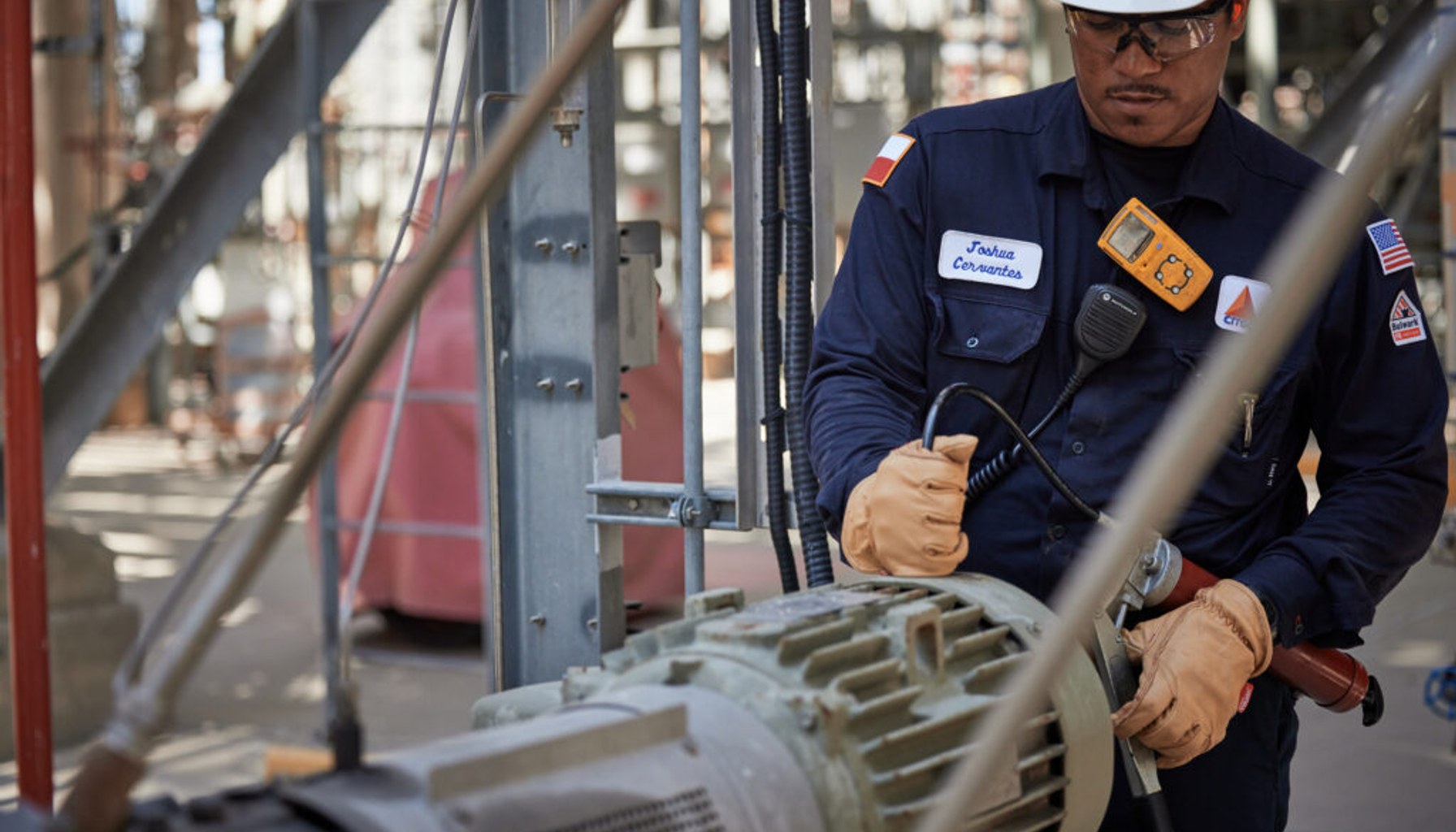
Image / Plant Engineering
With maintenance crews stretched thin, longer-life lubricants keep plants running.
When plants lean on fewer hands to keep critical equipment turning, the playbook shifts from reactive fixes to disciplined, strategic lubrication. A recent expert Q and A highlights that uptime is increasingly a product of smarter lubrication programs: longer-life lubricants, stronger contamination control, and maintenance routines that stay on schedule even when staff are thinner than ever. The bottom line for plant managers and CFOs is cashable: fewer unplanned outages, steadier production cycles, and a clearer line of sight to return on investment.
Deployment data shows that treating lubrication as a strategic priority yields tangible reliability gains. David Turner, a veteran lubricants specialist, notes that the industry is moving toward products designed for longer service intervals. The goal is not just reducing the number of lubrication events, but ensuring those events happen with higher precision and less risk of contamination. With labor margins compressed, plants can ill afford downtime caused by misapplied grease or missed lubrication points. The upshot is a tighter linkage between lubrication practices and asset performance, energy use, and overall operating cost.
The shift isn’t purely about the chemistry of lubricants. It’s about integrating lubrication into the broader maintenance ecosystem. Facilities that succeed are those that couple longer-life products with disciplined maintenance planning, contamination control, and clear ownership for lubrication tasks. In practice, that means standardized lubrication routes, routine checks on oil cleanliness, and simpler, more reliable intervals that operators can sustain without moonlighting as full-time lubrication technicians. The result is not only improved asset reliability but clearer visibility into where maintenance dollars are making the biggest difference.
From an operations perspective, the effect shows up in cycle times and throughput. Downtime-heavy cycles shrink as equipment remains in spec more consistently, meaning production runs start on time and stay on plan. Throughput benefits hinge on uptime: when pumps, bearings, and gear trains operate without needless stoppages, lines spend more minutes producing and fewer minutes idling. The procurement angle comes into play as well. Operators and maintenance teams seek lubricants that deliver longer service life, but the choice is not free of tradeoffs. Higher upfront cost for extended-life lubricants can be offset by fewer lubricant changes, less cleanout time, and reduced energy waste due to smoother, cooler operation.
Two practitioner insights stand out. First, the constraint. The same labor squeeze driving longer-life lubricants also raises the stakes for contamination protection and robust maintenance scheduling. A single misstep in contamination control or a skipped lubrication point can cascade into unplanned downtime that undercuts the hoped-for ROI. Second, the tradeoff. Upfront lubricant spend versus maintenance window savings requires a careful calculation of asset criticality and production priorities. The most resilient programs align lubricant selection with asset criticality, cleaning regimens, and the plant’s overall reliability strategy rather than treating lubrication as a standalone maintenance task.
Looking ahead, the industry is watching for how lubrication programs scale with digital tools. Condition-monitoring data, smarter inventory, and integrated maintenance software can help facilities close the loop between lubricant health, asset performance, and production targets. The promise is straightforward: better uptime, steadier cycle times, and a clearer path to throughput improvements without chasing after more people.
In the end, automation cannot fix everything, and lubrication is not a plug-and-play fix that arrives with a single click. It is, however, a proven lever that plants can pull to stabilize operations, cut downtime, and protect the cash flow that keeps the plant competitive. The experts remind us that the most successful implementations treat lubrication as a strategic asset, one that pays off in reliable uptime, predictable cycle times, and real throughput gains.
- Expert Q&A: Plant uptime is a product of good lubrication practicesPlant Engineering / Trade / Published JUL 08, 2026 / Accessed JUL 10, 2026