Ceiling-Arm Robot Boosts Warehouse Throughput
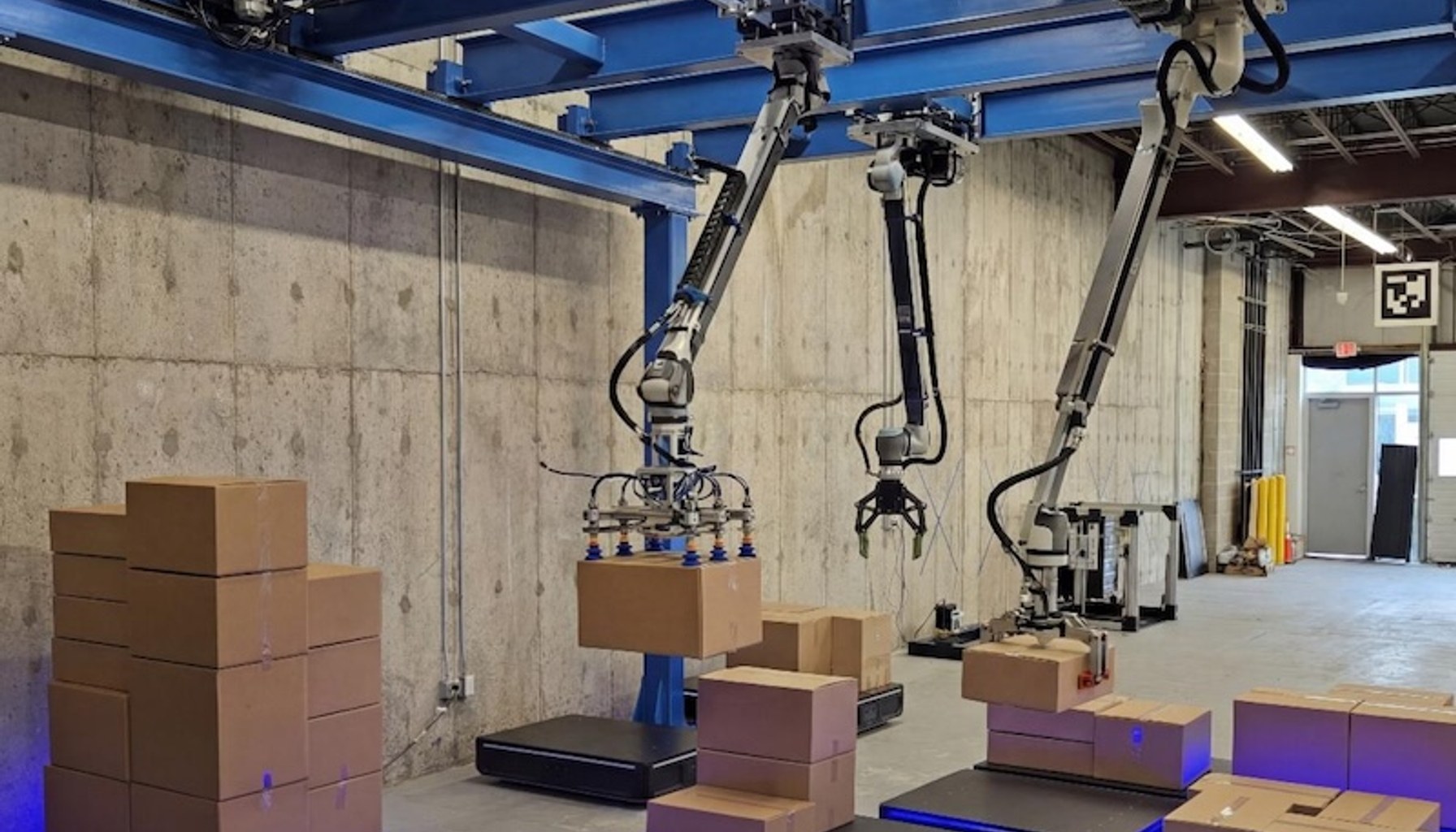
Logic’s Octopus overhead robot is not a buzzword—it's a ceiling-mounted multi-arm picker aimed at turning loading zones into fast, automated cells without swallowing precious floor space. In one stroke, the company says it can cut the cadence of put-away and order-picking tasks by moving grippers, sensors, and vision far above the bottlenecks that still plague many warehouses.
The core concept is straightforward: suspend the robot above the action and let it reach down to hand off goods to a goods-to-robot workflow. Logic touts Octopus as a way to replace static, floor-bound conveyors and pallet setups with a modular, ceiling-based solution. The arms conduct rapid, multi-SKU picking and can be paired with Logic Pallets to create a continuous, high-speed loop at each loading zone. By taking travel and re-handling out of the middle, the system promises to shrink cycle times and push throughput toward new highs without dedicating more floor real estate to automation.
From the vendor’s narrative, the Octopus doesn’t require a complete layout upheaval. Instead, it augments existing workflows by turning the ceiling into an active automation layer. Yet as with any ceiling-based system, the real work happens off the aisle: power, data, and safety interlocks have to be wired into a ceiling-friendly infrastructure and integrated with the warehouse control system. Integration teams report that the ceiling retrofit is the true gatekeeper—once the rigging and electricals are in place, the robots can begin to operate as part of a larger, data-driven logistics mesh. Floor supervisors confirm that with the right rigging and clear zones, there’s less floor congestion and fewer near-miss handoffs between operators and floor-mounted equipment.
Operationally, the Octopus concept emphasizes a “smart automation cell” approach. By locating high-speed picking above the floor and directing items down into Logic Pallets or adjacent conveyors, the system reduces the need for walking and rolling stock movement in busy aisles. The approach aligns with a broader industry trend: goods-to-robot configurations that squeeze more throughput from existing footprints by relocating the action vertically. In practice, that means more concurrent picks at loading bays and fewer staging delays caused by human traversal or fixed, floor-based fixtures.
Two to four practitioner insights emerge from early deployments and vendor briefs. First, integration teams report that ceiling-based systems force a reexamination of loading-zone geometry—safety clearances, crane or hoist capacity, and ceiling height all become design criteria, not afterthoughts. Second, floor supervisors confirm the most tangible payoff is reduced floor traffic and smoother handoffs, but only after a disciplined change management effort to train operators on new workflows and exception-handling routines. Third, tasks that still require humans remain clear: quality checks, exception resolution, replenishment planning, and occasional manual intervention when misfeeds occur or vision systems need recalibration. Fourth, hidden costs vendors don’t always spotlight include ceiling retrofit investments, ongoing software maintenance, calibration cycles, and the need for robust cyber-secure connectivity to prevent data dropouts that can stall a ceiling-driven line.
In the CFO calculus, the Octopus is attractive for its promise of higher throughput without increasing floor-space pressure. The conversation around payback hinges on deployment specifics—cycle-time reductions, uptime targets, and the complexity of the host facility’s ceiling and electrical systems. As with any high-velocity automation initiative, the lesson is clear: ceiling-mounted automation can unlock substantial gains, but only with meticulous integration discipline, careful safety planning, and a frank view of the costs lurking above the racks.
- Logic introduces ‘Octopus’ overhead multi-arm robot to boost warehouse throughputroboticsandautomationnews.com / Source role not classified / Published APR 08, 2026 / Accessed APR 08, 2026