TMTPost reports retail listings for individual buyers, but current uses focus on coding, entertainment and testing—not dependable housework.
Humanoid robots have entered China’s consumer retail market, according to TMTPost. Some models are offered for immediate purchase, while others are available through presales or advance bookings, so the report does not establish how many units individual consumers have actually received.
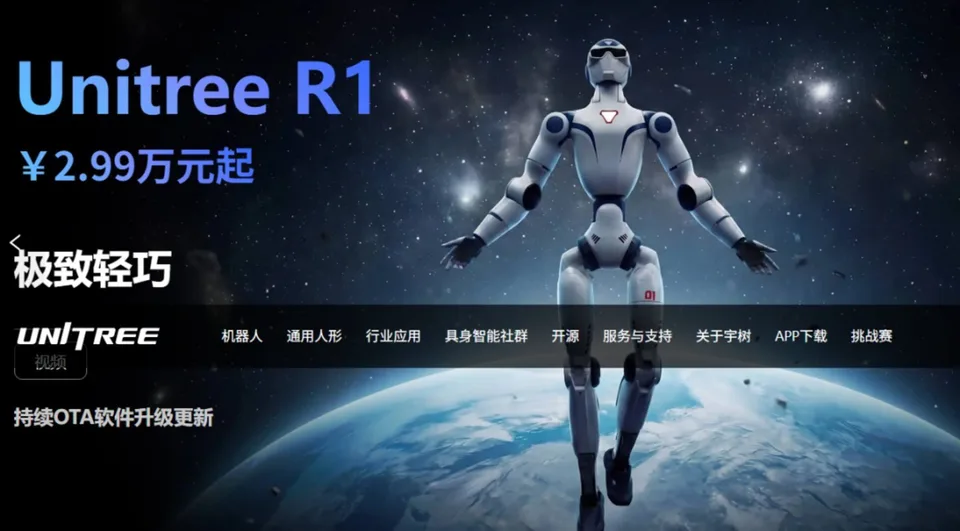
TMTPost lists Songyan Power’s Bumi at 9,998 yuan and Unitree Robotics’ R1 at a starting price of 29,900 yuan, reduced from 39,900 yuan. It says the R1 is sold from stock, while other products use reservations or advance orders. Whether these prices include all necessary hardware, software, service and delivery costs remains unclear.
What buyers are buying
TMTPost says the buyers it reviewed were concentrated among robot enthusiasts, AI technology aficionados, university research teams, short-video creators and science-and-technology training institutions.
Their reported uses include making robots dance, holding conversations, writing programs, debugging movement, supporting user development, displaying the machines at home and filming videos. That makes the products closer to programmable technology platforms—or expensive smart toys—than household appliances for many buyers described by the report.
The main limitation is physical work. TMTPost reports that mass-produced consumer models generally cannot reliably mop floors, wipe tables, fold clothes, tidy clutter or fetch objects. One user cited by the outlet said a robot brought a glass of water successfully only two or three times out of ten.
For consumers, the practical distinction is important: a lower-priced humanoid may offer a way to explore robotics, create videos or develop software, but it should not be treated as a reliable domestic worker. Availability, delivered cost and household reliability still need checking for each model.