Figure AI scales humanoid production to unprecedented speed
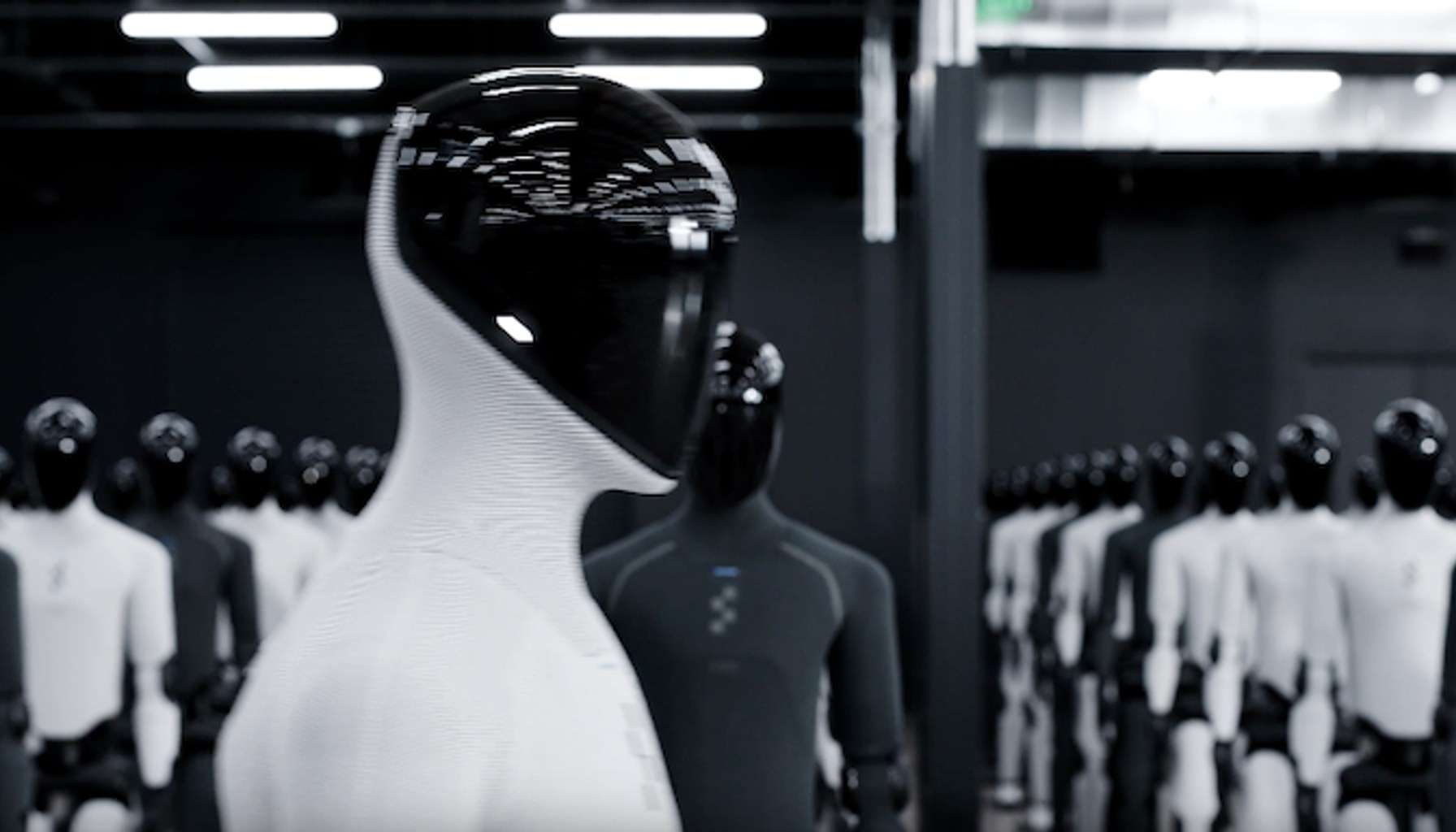
Figure AI says it is crossing the threshold to mass humanoid production. After years of showcase demos and carefully chaperoned prototypes, the company now touts the ability to manufacture hundreds of humanoid robots reliably and economically, not just a handful for a glossy video.
The story, as summarized by Robotics and Automation News, is simple and arresting: the real difficulty in humanoid robotics has never been the single unit that works in a controlled lab. It has been building a repeatable, scalable manufacturing pipeline that can turn a concept into a steady output. Figure AI is now claiming it has moved past the stage where one impressive robot exists in isolation and into a production regime that could sustain ongoing volumes. If verified, the shift from demonstration to deployment could tilt the math on automation in a sector that has long talked about “robots in every cell” but rarely achieved it in practice.
The implication for plant floors is not just about more robots in a line. It is about the integration burden that multiplies as units scale up. A ramp to hundreds of robots requires repeatable calibration, synchronized software updates, and a supply chain that can deliver spare parts, tools, and maintenance without triggering a full stop in production. In other words, the breakthrough is as much about the factory as it is about the robot. The update from Figure AI signals a transition from pilot programs to stable, volume-ready deployment, but it also raises the bar for what operators must commit to in order to keep the line moving.
From a practitioner perspective, there are several hard realities behind the acceleration. First, the harsh truth remains: even the most capable humanoid platform is only as dependable as its integration with existing lines. The floor plan, power and data networks, and safety interlocks all have to be redesigned or revalidated at scale. Second, training hours for operators, technicians, and maintenance staff are not a one-off investment; they compound as the number of robots grows. Third, the total cost of ownership often hides costs vendors don't mention upfront, such as reconfiguration of work cells, software licensing across fleets, and ongoing preventive maintenance that can outpace the initial purchase price.
Figure AI's claim also invites a closer look at the talent angle. Humanoid production at scale presses on the limits of skilled-trades support and systems integration. When a factory adds hundreds of robots, the need for robust service models, remote diagnostics, and on-site technical support becomes acute. In practice, automation campaigns that fail to plan for this layer find themselves mapping out a long tail of downtime and retraining as the tooling fleet evolves.
If the company truly reaches mass production, the next tests will be quantifiable: cycle time improvements, uptime, and the consistency of throughput across multiple shifts; a credible payback picture anchored by real deployment metrics; and a clear outline of the integration footprint required in a typical plant, including floor space, power needs, and the number of training hours each operator requires. Industry observers will also watch closely for how humanoid lines handle tasks that still demand human craftsmanship or oversight, and whether the automation augments craft labor rather than merely replacing it.
In the end, the question is whether the speed of scale translates into durable value. If Figure AI's update holds up under independent verification, it could move the industry from the era of spectacular demos to the era of dependable, repeatable manufacturing of humanoids.
- Figure ramps up humanoid robot manufacturing at unprecedented speedroboticsandautomationnews.com / Independent source / Published MAY 27, 2026 / Accessed MAY 27, 2026