Honeywell sells Intelligrated and Transnorm to AIP
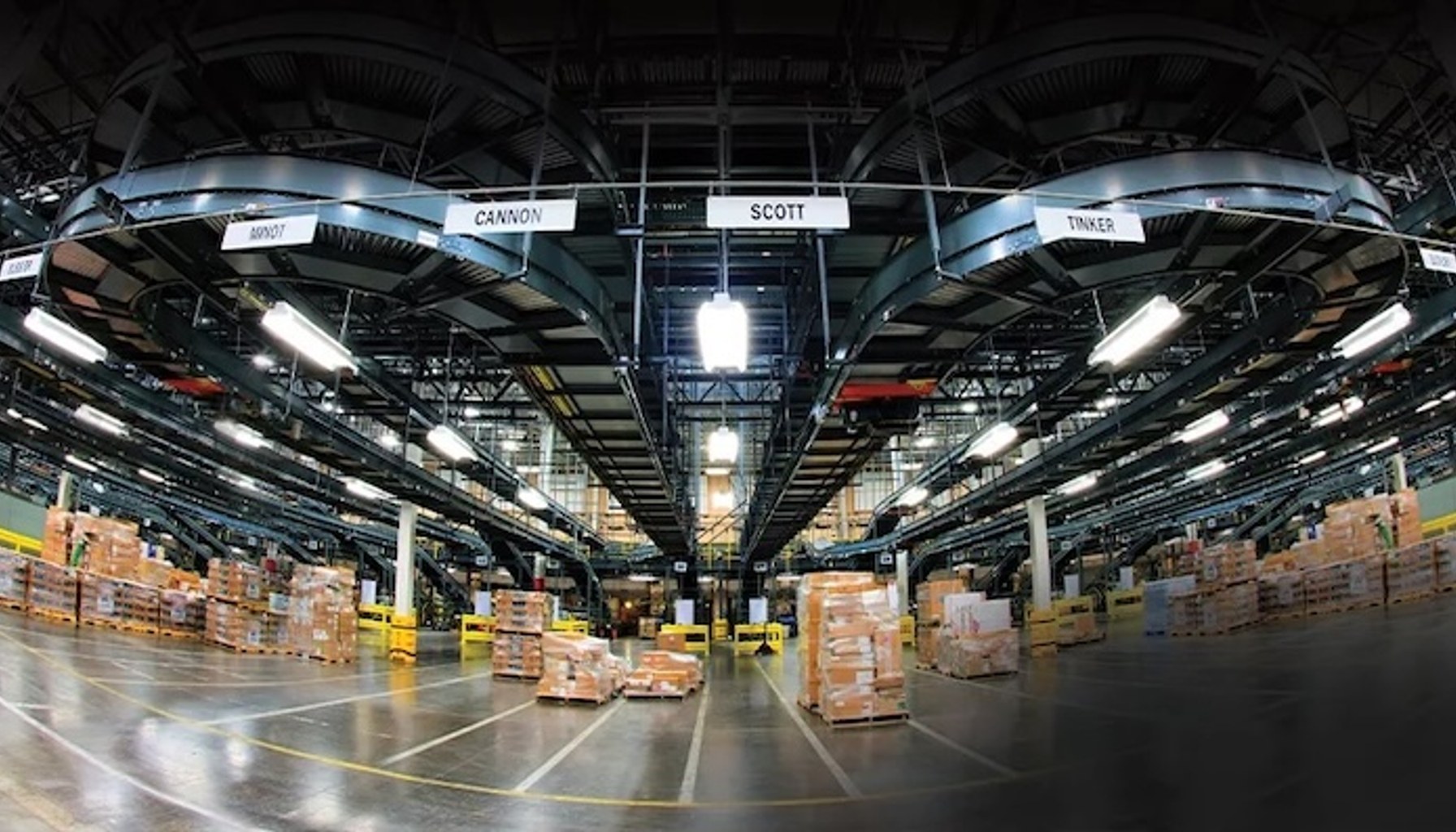
Honeywell exits warehouse automation with a cash sale. American Industrial Partners has agreed to buy Honeywell's Warehouse and Workflow Solutions unit, which runs Intelligrated and Transnorm, in an all-cash transaction as part of a broader portfolio overhaul. Terms were not disclosed and a closing date was not specified in the report.
The move signals a sharper strategic pivot for Honeywell as it reconfigures its automation footprint. The WWS business has been a cornerstone of Honeywell’s turnkey warehouse push, delivering end-to-end integration—from software controls to conveyors—across fulfillment networks. In declaring a sale as part of a larger reorganization, Honeywell appears to be narrowing focus on core platforms and digital control portfolios, a trend many industrial majors are pursuing to protect margins in a cost-competitive market.
For operators and project teams in the trenches, the sale raises questions about continuity of service, parts availability, and the pace of new installations. Integration teams report that customers chasing aggressive ROI timelines rely on stable, long-term partnerships with the service networks behind Intelligrated and Transnorm. Any transition plan will be scrutinized for how spare parts supply, firmware updates, and field service coverage are preserved during ownership handoffs. In practice, this matters most during peak seasons when a single aging line or a failing sortation module can ripple into missed ship windows and costly downtime.
From a practitioner’s lens, several considerations jump out. First, the deal puts a spotlight on the ongoing need for robust post-sale support. Even well-implemented automation can stall if a buyer doesn’t honor existing maintenance commitments or if key technicians are displaced. Second, the integration of legacy equipment with new software platforms remains a nontrivial risk factor; customers should verify any migration roadmaps, compatibility with existing WMS/ERP interfaces, and the timeline for firmware continuity. Third, the portfolio move can influence pricing and service-level expectations; operators should watch for any shifts in parts pricing, upgrade cycles, or outsourcing of critical field services to third parties. And finally, the workforce angle matters: it’s unclear whether Honeywell’s WWS staff are retained under the new owner, which can impact project handoffs, knowledge transfer, and local capability on the ground.
Industry watchers will also be watching how American Industrial Partners steers the newly acquired assets. PE-backed ownership often prioritizes asset optimization, potential consolidation with sister portfolio companies, and a tighter cost structure. For warehouse automation deployments that hinge on speed, accuracy, and uptime, any changes to the service ecosystem or to regional support coverage can either accelerate a deployment schedule or create additional friction at the moment a customer most needs stability.
In short, the sale is less about a single project and more about a signals-driven rebalancing of who owns, services, and supports some of the most visible automation in modern fulfillment networks. The immediate questions are straightforward: how will closing unfold, what are the transitional commitments to customers and staff, and how will the new ownership color future deployment and maintenance strategies for the Intelligrated and Transnorm platforms?
- Honeywell to sell warehouse automation business Intelligrated and Transnorm as portfolio overhaul continuesroboticsandautomationnews.com / Source role not classified / Published APR 23, 2026 / Accessed APR 23, 2026