Matter 1.6 taps shared network for cross ecosystem control
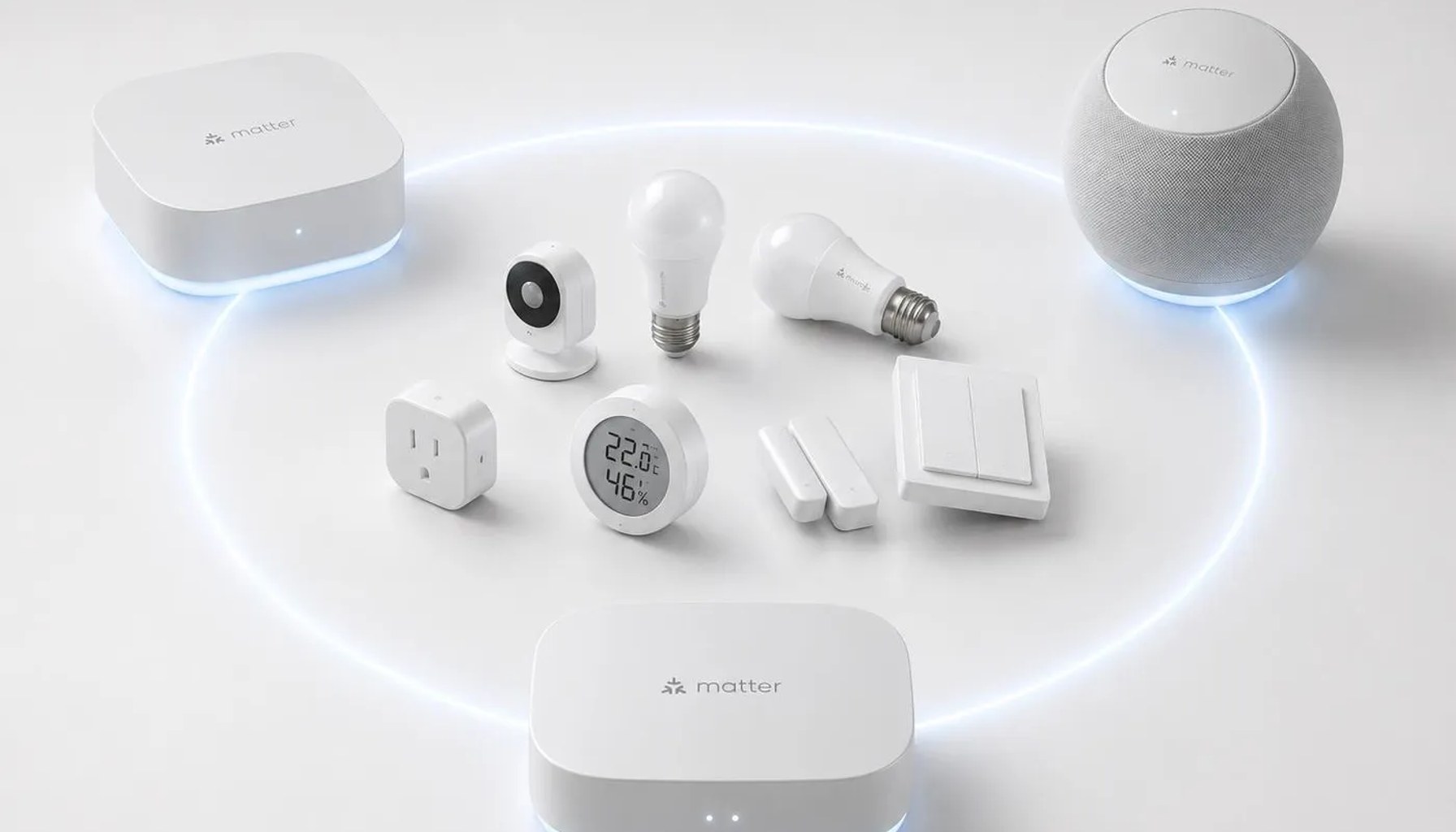
Matter 1.6 introduces Joint Fabric, a shared Matter network that multiple ecosystems can manage. The Verge reports that devices added to the network would be controllable by any authorized platform, so you would not have to rebind a smart light to each app. It is described as an era when the smart home becomes a joint bank account for devices, with signing authority held by each ecosystem. That framing, echoed by reporters at Unify where the spec was announced, signals a shift from app specific control toward a more unified, device centric model.
The promise is simple and appealing: set up a device once, and it behaves the same across ecosystems. No more toggling between Apple Home, Google Home, or Amazon Alexa to operate a light or a thermostat. If Joint Fabric sticks the landing, your room’s smart devices become part of a shared multi platform network, not a single vendor's control panel. The Verge frames it as a practical fix for what has felt like a clunky status quo, where you often end up juggling separate apps or relying on a bridge to bridge.
But the catch is meaningful. The practical upside hinges on trust between ecosystems. Joint Fabric requires signed authority across platforms to operate a device, which means you will in effect be granting multiple platforms a say in what your devices do on the same network. The result could be smoother interoperability, but it also widens the circle of data that can flow through your devices as they are controlled from different hubs. The Verge characterizes the arrangement as a shared network where devices are no longer locked to a single app, but are enabled to be controlled by any authorized ecosystem. That sounds convenient, but it shifts risk into privacy and data handling, especially if a platform’s policies differ from the others.
On price, The Verge does not spell out new subscription charges tied specifically to Joint Fabric. Matter is positioned as an open standard, and Joint Fabric’s value is largely about interoperability rather than a new service tier. That said, users should monitor whether platform services, if they exist, add premium features gated behind subscriptions. In practice, the total cost you feel today is likely to be the same hardware price plus any existing ecosystem subscription fees you already pay for using smart home features. The absence of a stated price tag for Joint Fabric suggests no extra line item is planned, at least at launch, but that could change as ecosystems decide how to monetize cross platform control.
Here are practitioner takeaways for the rollout. First, device makers and platform owners must implement Joint Fabric consistently across ecosystems; a misstep or uneven support could recreate the very silos Joint Fabric seeks to eliminate. Certification processes will matter, because any variance in how a device speaks across platforms could lead to flaky performance or security gaps. Second, the expanded control surface raises security considerations. More ecosystems with authority over a device means more potential vectors for abuse or misconfiguration, so a robust, standardized authorization model will be essential. Third, privacy becomes a clearer edge case. Data associated with device use may traverse multiple platforms, so users should expect strong privacy controls, transparent data flows, and clear opt outs. Finally, end users should watch for how quickly major ecosystems adopt and normalize Joint Fabric, and whether manufacturers embrace the across the board control without compromising performance on a single platform.
If Joint Fabric delivers as promised, the smart home could feel more like a single, harmonious system rather than a patchwork of ecosystem islands. That would be a meaningful win for consumers who want genuine cross vendor compatibility without the friction of reconfiguring devices every time they switch apps. The price of easier control may be a closer look at who can access your devices and what data travels across platform lines.
- Will Matter finally be able to do what it should have always done?The Verge Smart Home / Independent source / Published JUN 17, 2026 / Accessed JUN 17, 2026