Round-the-clock floor cleaner: Tennant X16 Sweep
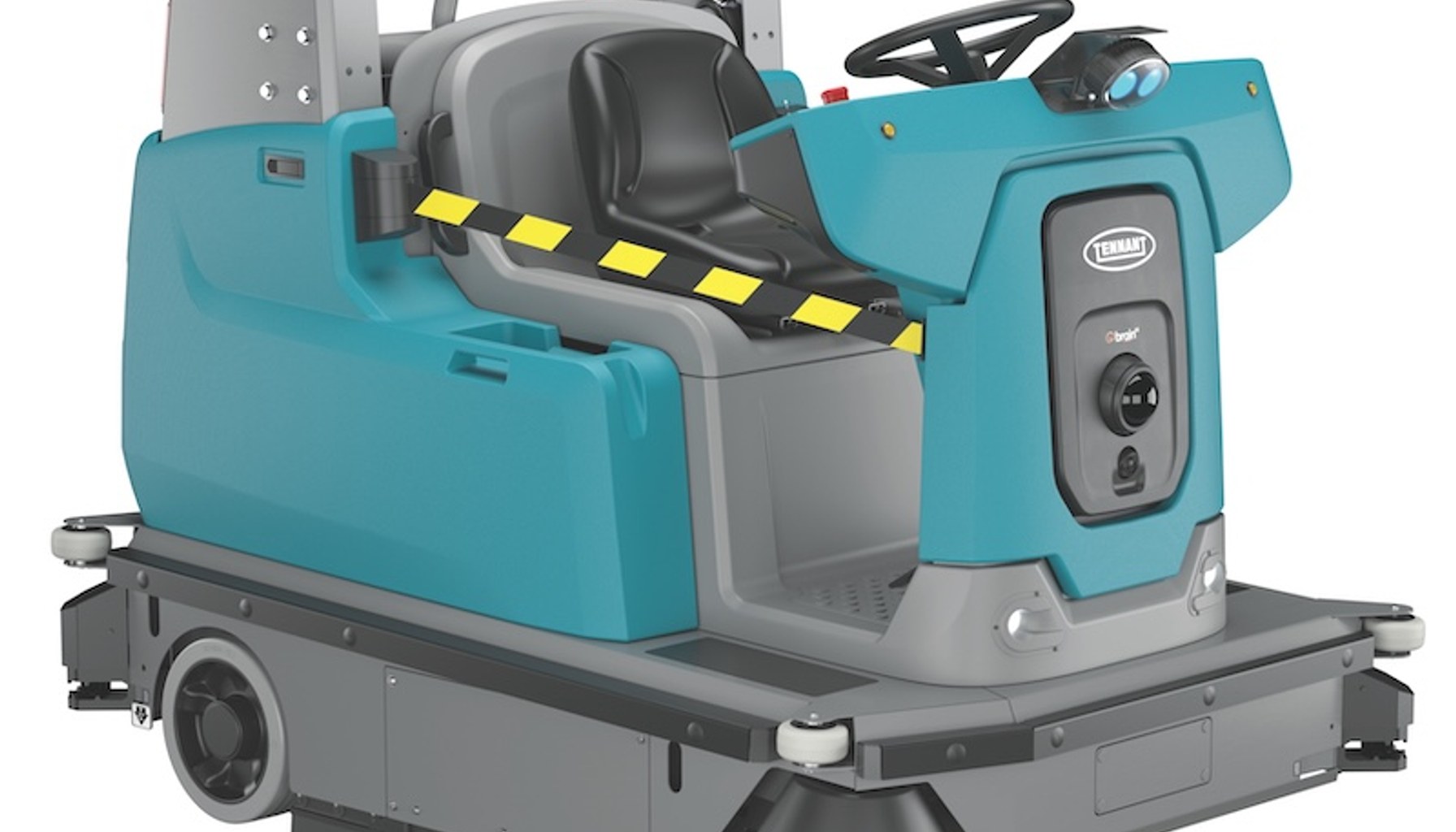
The warehouse floor finally has a night-shift robot: Tennant's X16 Sweep.
Tennant Company has introduced the X16 Sweep, its first autonomous, robotic sweeper built for the rough-and-tumble of industrial spaces—warehousing, logistics centers, and light manufacturing. The pitch is simple: autonomous cleaning that runs round the clock, delivering consistent, repeatable floor coverage so sites can rely on with fewer manual sweeps in the off-hours. The claim of “industrial autonomy” lands squarely in a market crying out for predictable floor care in high-traffic environments, where dust, debris, and slick aisles can slow downstream operations if ignored.
What makes the X16 noteworthy is its positioning as a true industrial asset rather than a showroom demo. Tennant frames the unit as a solution designed for complex environments, not just open factory floors. In other words, this is not a laboratory robot meant for pristine halls; it’s built to navigate tight aisles, dock bays, and variable flooring found in distribution centers. If the goal is to reduce the burden on human cleaners during off-hours and to maintain consistent sanitation in high-traffic zones, the X16 is aiming to be a dependable, 24/7 maintenance ally.
From a practitioner’s vantage point, several questions rise to the surface. First, ROI and payback: vendors routinely publish slick demonstrations, but production data and deployment ROI are where the rubber meets the road. The robotics press around such launches typically highlights coverage and uptime, while the real-world payback depends on a facility’s cleaning frequency, the extent of automated coverage achievable during non-peak hours, and the amount of manual labor displaced. The available coverage messaging emphasizes repeatable outcomes, not instant savings, and industry observers will want explicit ROI documentation tied to actual deployments. In short, the X16 is compelling on narrative, but CFOs will seek site-specific payback calculations that include integration costs and maintenance.
Second, integration requirements matter. Autonomous floor care doesn’t happen on a blank slate. Floor space for docking and charging, available electrical capacity, and network connectivity will shape how smoothly the X16 slots into an existing cleaning program. Training hours for operators and maintenance personnel, route planning, and safety integration with forklift traffic determine how quickly a pilot can scale. Industry practice suggests that a successful rollout requires more than turning a robot on; it means aligning with existing cleaning schedules, establishing safe pathways, and validating sensor performance in real-world clutter. Without explicit site measurements and a rollout plan, deployment tends to stall at the pilot stage.
Third, what still demands human labor? Even a round-the-clock sweeper cannot replace all cleaning tasks. Humans remain essential for spill response, irregular debris, and operations that require judgment in dynamic environments—areas where sensors and maps can be challenged by heavy traffic, palletization changes, or unexpected obstacles. The X16’s value rests on reducing repetitive, routine sweeping, but the “edge-case” cleanups and incident-driven duties still fall to workers.
Finally, hidden costs that aren’t always front-and-center in marketing materials: fleet management software subscriptions, ongoing sensor calibration, occasional hardware refreshes (for batteries, wheels, or navigation sensors), and maintenance of charging docks or network infrastructure. In many cases, these recurring or ancillary costs matter far more over a multi-year horizon than the sticker price of the machine itself. Vendors rarely include them in initial ROIs, but they show up in the P&L when you scale from one unit to a fleet.
For facilities considering the X16, the prudent path is to request a formal deployment plan with: anticipated cycle-time improvements by area, a site-specific payback estimate that includes integration and training hours, and a candid list of post-deployment costs. Production data and early pilot programs will reveal how much uptime the system really delivers in your environment, and how quickly you recover the investment when you factor in labor displacement and maintenance. In the end, the X16 Sweep is a meaningful step toward reliable autonomous cleaning in complex spaces, but it isn’t a plug-and-play cure-all. The next round of deployments will tell the real story on ROI, resilience, and the true cost of ownership.
- Tennant unveils new industrial sweeping machine for ‘autonomous, round-the-clock’ workroboticsandautomationnews.com / Source role not classified / Published APR 10, 2026 / Accessed APR 12, 2026