Samsung China Restructuring: Only Mobile and Memory
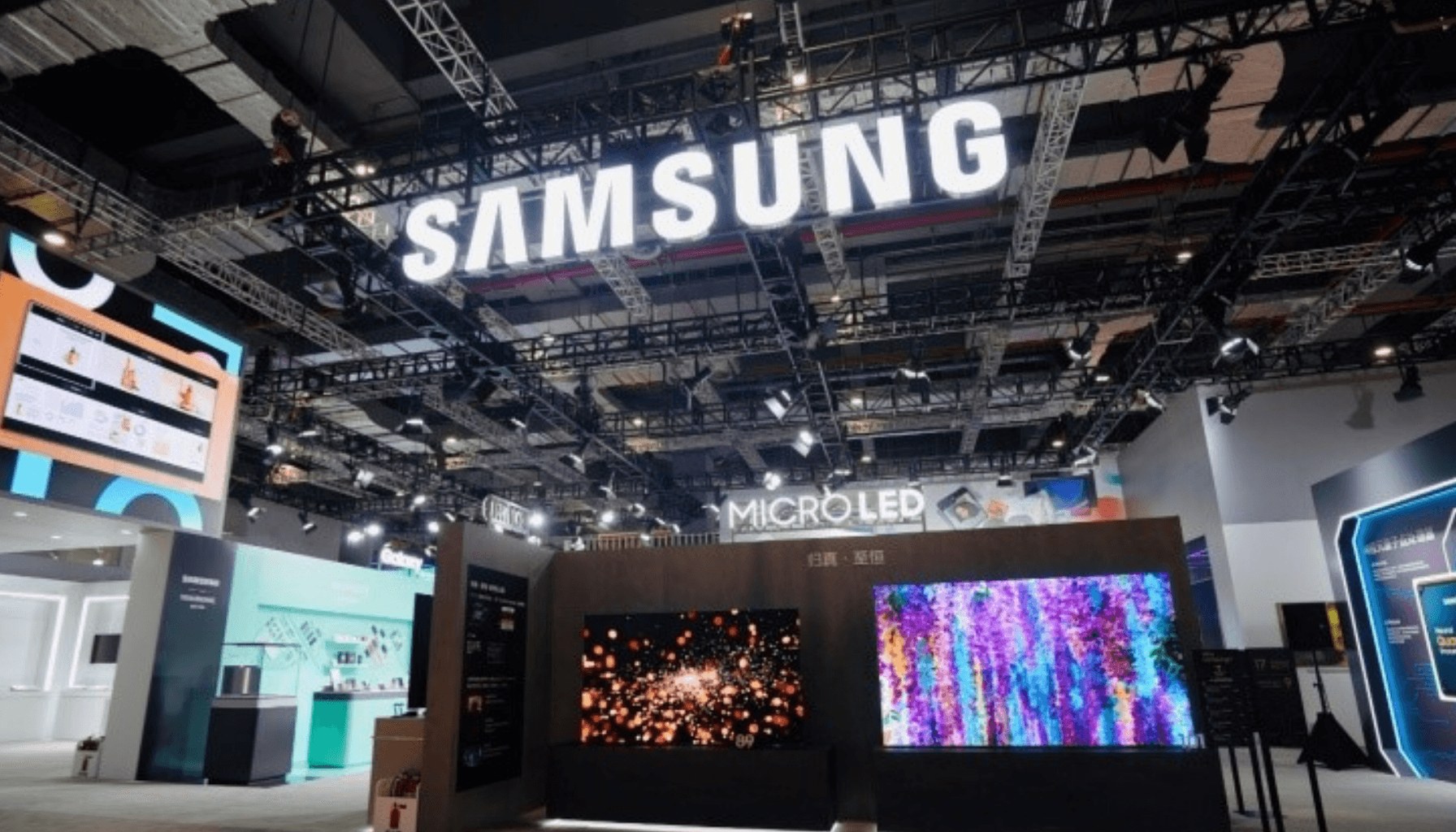
Samsung plans to keep only mobile and memory in China.
Samsung Electronics is reportedly preparing a sweeping overhaul of its China footprint, retaining just its mobile and memory units while exiting a broad swath of other electronics businesses. If true, the plan would dramatically redraw a company that once played across screens, displays, and consumer appliances in the world’s largest manufacturing ecosystem. Mandarin-language reporting indicates the move could extend to its display operations, with some observers saying the entire consumer electronics division might exit the mainland.
Beijing’s regulatory and market environment helps explain the maneuver. The reports—circulated by multiple local media outlets and cited by supply-chain watchers—frame the restructuring as a resource reallocation to protect core profitability amid intensifying competition and rising local costs. Supply chain disclosures reveal that Samsung’s China strategy has long been tethered to its most profitable lines—phones and memory chips—while other segments faced mounting pressure from both domestic rivals and global macro headwinds. The proposed pruning would align with a broader trend among foreign electronics groups in China: reduce non-core exposure, deepen domestic localization where feasible, and focus on integration with the global ecosystem rather than sprawling campus footprints.
From a manufacturing systems perspective, the move would compress Samsung’s China footprint but not erase the strategic logic of proximity to global supply chains. The company’s mobile and memory businesses are deeply integrated with Samsung’s worldwide R&D and supplier networks, meaning any exit from local assembly or component lines would shift costs rather than eliminate them. If the display unit follows the same logic, it would remove a long-standing piece of China’s electronics puzzle—where local panel makers and back-end assembly hubs have grown up around foreign device brands. In short, functionally important but capital-intensive segments could be pruned while the core link to the global tech ecosystem remains, a pattern many multinationals have used to manage exposure to China’s evolving cost and policy landscape. Chinese regulatory filings show the state’s nuanced stance: encourage domestic suppliers and sub-supply ecosystems, but not at any price to foreign access and technology transfer.
For companies sourcing from or competing with Samsung’s China operations, the implications are real. If the footprint shrinks, gear and service suppliers tied to non-core lines could face reduced orders, while the surviving units—mobile and memory—would concentrate demand on a tighter supplier base. Be prepared for a potential re-pricing of certain components, tighter lead times from secondary suppliers, and a reorientation of local support services around a smaller set of product families. For memory and smartphone ecosystems, this could accelerate consolidation among Chinese and regional suppliers who already chase scale, particularly in packaging, testing, and front-end module integration.
Two to four concrete practitioner signals to watch next: first, watch for any official confirmation that the display/consumer electronics unit will exit; that will ripple through local component markets and labor allocations. second, expect downstream suppliers to renegotiate contracts or re-bid capacity to capture the shifted demand from Samsung’s remaining mobile and memory lines. third, note whether Beijing quietly nudges Samsung toward deeper localization in the core units or offers targeted incentives to sustain critical research and development. fourth, track spillover effects on other foreign players recalibrating footprints in China as cost and policy dynamics keep pressuring non-core assets.
In short, Samsung’s purported narrowing in China signals a transition—not retreat. The world’s manufacturing spine remains crowded with competing incentives: keep your most profitable lines close to your global grid, and let the rest drift toward regional hubs where margins and policy align. Whether this translates into a more China-centric core or simply a tighter, more modular footprint depends on how Beijing, suppliers, and Samsung’s global leadership navigate cost, tech ambition, and national policy.
- Samsung Reportedly Plans Major China Restructuring, Retaining Only Mobile and Memory Unitspandaily.com / Source role not classified / Published APR 08, 2026 / Accessed APR 08, 2026