Sharpa Wave hands power Unitree H2 Plus on Nvidia GR00T
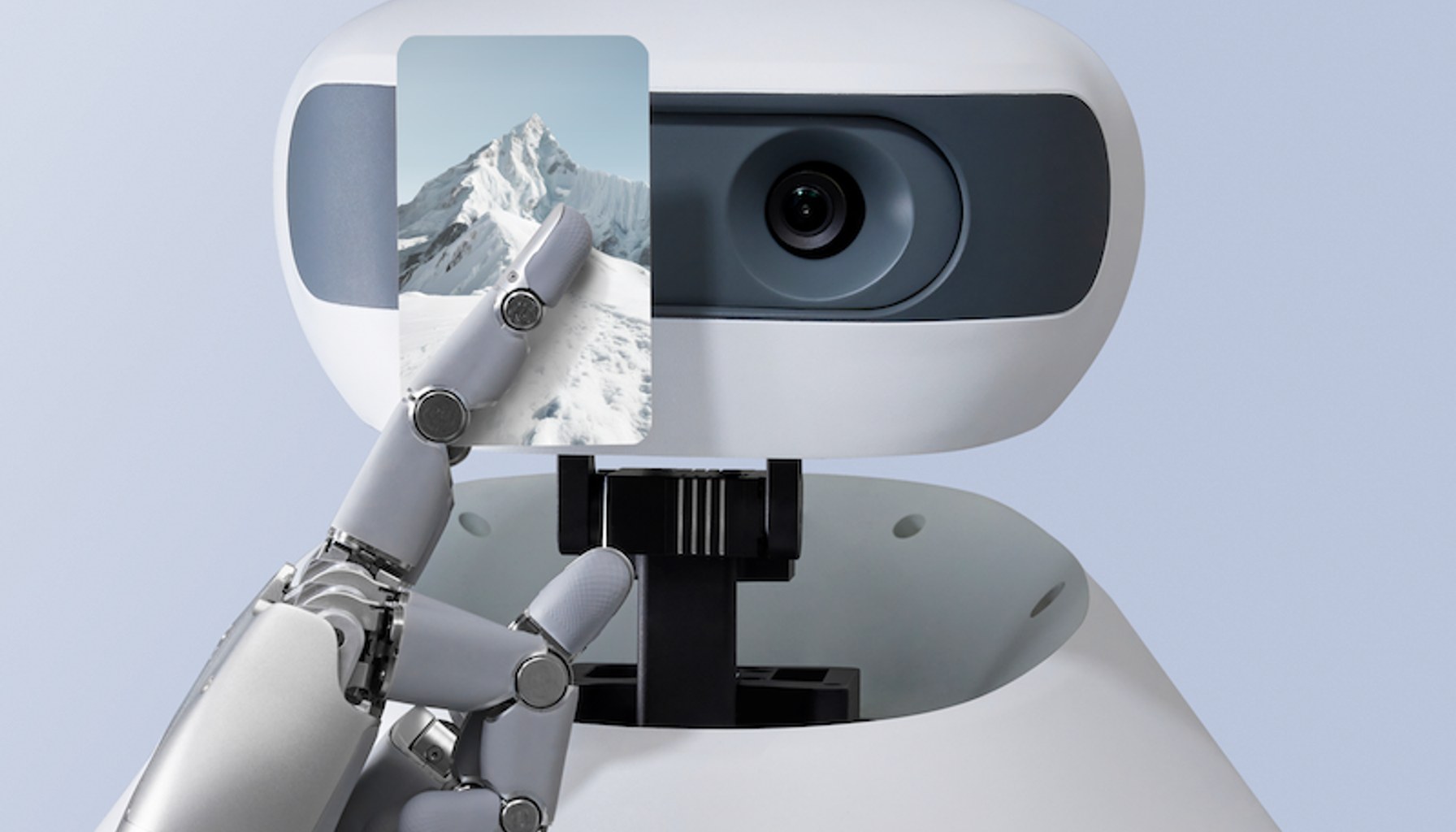
Sharpa's Wave tactile hands now power Unitree's H2 Plus on Nvidia GR00T. That pairing marks a milestone in turning tactile manipulation from a lab novelty into a component on a widely used humanoid reference design. The project positions Unitree’s H2 Plus as the first dexterous humanoid platform built on Nvidia's Isaac GR00T development framework to feature Sharpa's tactile manipulation technology, a claim the companies emphasize as a stepping stone for researchers and developers.
The integration is notable not for a single flashy demo, but for what it signals about engineering practice. With Wave hands married to a production-level humanoid reference design and a real time software stack provided by GR00T, the setup offers a more complete test bed for contact-rich tasks than isolated finger rigs ever did. In practice, researchers can evaluate grasping, regrasping, tool use, and delicate object handling on a platform that also exposes standard robot dynamics, perception feeds, and locomotion. The message from Sharpa and Unitree is that tactile sensing and dexterous manipulation are becoming components you can spec into a reference design rather than bespoke add-ons.
From a discipline perspective, the move illustrates a recurring pattern in robotics: the crowding of complexity into a more bounded, repeatable platform. The Wave hands introduce tactile manipulation capability, and pairing them with Nvidia's GR00T framework ties that capability to a programmable pipeline for control, sensing, and AI inference. Engineers will tell you the real work begins after the integration, where latency, bandwidth, and calibration requirements become the focus. In this setup, the human hands must stay in sync with a walking, balancing body while also reacting to tactile signals at contact. That demands careful orchestration of sensor fusion, actuation limits, and control loops, a classic tradeoff between dexterity and system stability.
The headline value for developers and operators is in standardization. The company reports that the configuration is designed to help robotics developers and researchers accelerate tactile testing on a humanoid reference design, reducing days spent wrestling with hardware compatibility. That intent aligns with how the field judges mature platforms: you want a single, documented integration path from sensor readout to motion planning to real-world task execution. In turn, investors eye a clearer route to platform uptake, and operators gain a target for evaluating new manipulation tasks without re-engineering the entire stack.
Two to four practitioner insights emerge from this move. First, there is a hard constraint around data flow and compute. Tactile streams from Wave hands add substantial data that must be processed in real time while the robot also reasons about balance and locomotion. Second, the tradeoff is mechanical and software complexity. The more dexterous the hands, the more calibration and maintenance the system requires, which can temper deployment speed and impact total cost of ownership. Third, the incentive is ecosystem acceleration. By embedding tactile manipulation into a shared reference design, Sharpa, Unitree, and Nvidia are trying to lower barriers for researchers to test new manipulation strategies across labs and prototypes. Fourth, watch for failure modes. Sensor noise, drift in tactile readings, and wear at hand joints can undermine manipulation if not properly managed through robust calibration and fault handling.
Industry watchers will look for follow-up demonstrations and benchmarks that quantify how well tactile tasks translate to real world manipulation in a humanoid form. Expect attention to how GR00T handles contact-rich control loops, the robustness of the Wave sensing stack under varied object textures, and the tempo at which new tasks can be prototyped on this reference design.
- Sharpa brings dexterous robot hands to Nvidia and Unitree humanoid reference designRobotics & Automation News / Independent source / Published JUN 09, 2026 / Accessed JUN 10, 2026