Humanoid robots edge toward the factory floor
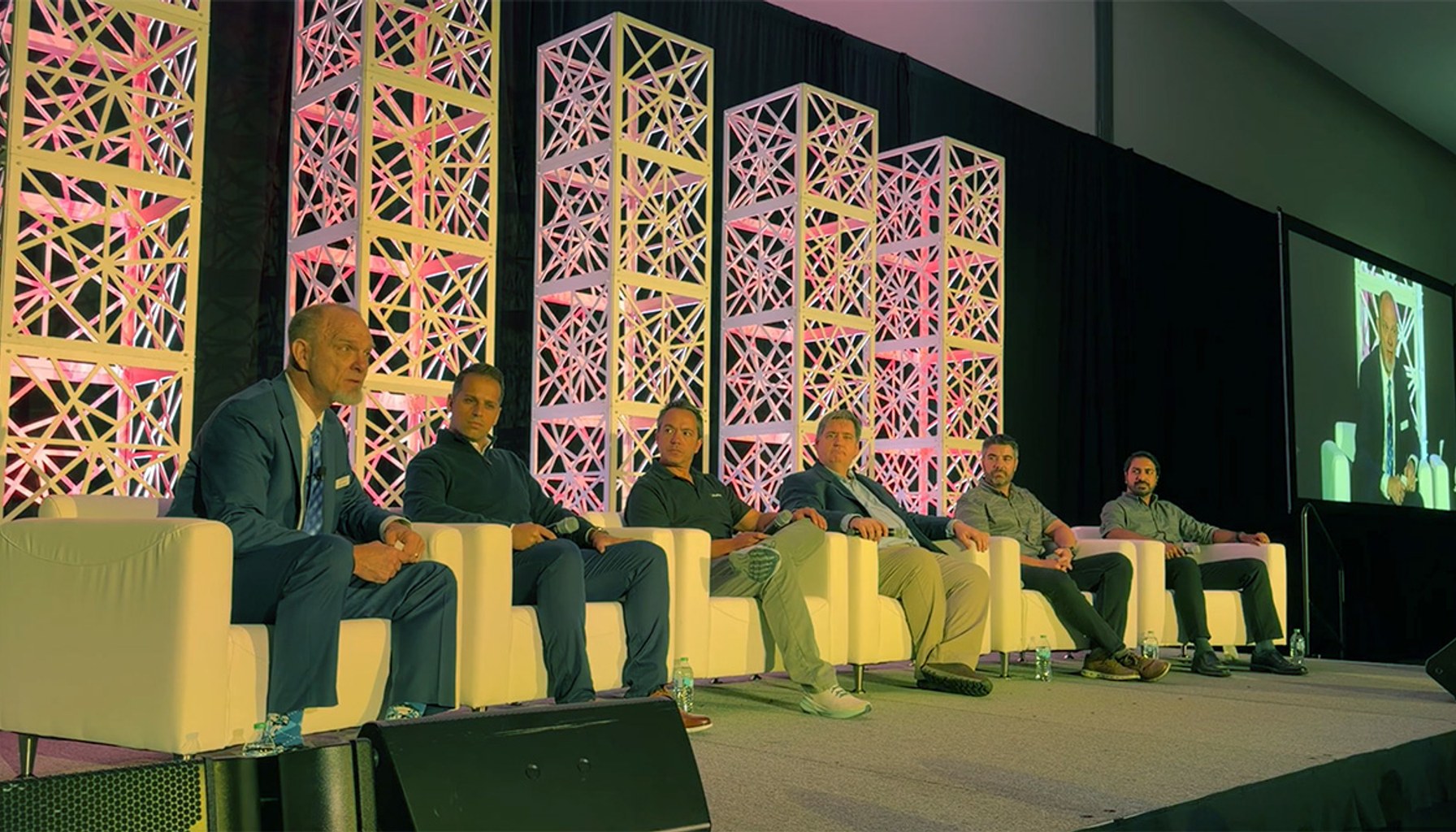
Humanoid robots inch toward real work, not just demos.
A panel at the Robotics Summit and Expo in Boston last month laid out a pragmatic path for humanoid platforms, from design labs to live workflows. The session drew about 3,900 attendees who roamed the hallways of the Boston Convention and Exhibition Center, watching everything from component modules to exhibition level demonstrations. The focus was clear: humanoid form is not a marketing gimmick, but a design challenge aimed at operating safely and productively alongside human workers, forklifts, and other machinery in busy factories.
The lineup underscored that the industry is balancing aspirational capability with real world constraints. Al Makke, head of humanoid robotics for North America at Schaeffler, articulated how material science and actuation choices shape a robot’s ability to walk, balance, and manipulate objects in a fast paced environment. Mike Nielsen of RealSense highlighted perception as the bottleneck that often caps dexterity, the robot must reliably identify objects, partners, and hazards in dynamic factory settings. ASTM International’s Aaron Prather spoke to standards as a gatekeeper: without agreed upon safety and interoperability norms, pilots struggle to scale. Alberto Rodriguez from Boston Dynamics discussed Atlas as a north star for general purpose physical labor, while Pras Velagapudi of Agility described the CTO lens on turning lab feats into controllable, repeatable tasks. The session was moderated by Mike Oitzman, a veteran observer of robotics deployment.
For any plant manager or CFO weighing automation, the talk reinforced a blunt fact: these humanoid efforts are not about replacing human workers overnight. They are about extending the capabilities of the shop floor where humans and machines share space. The panel stressed that the fast paced environment, with human walk paths, lift trucks, and other automated systems, necessitates robust coordination, collision avoidance, and predictable behavior under error. In practical terms, that means design choices around balance, energy use, payload capacity, and sensor fusion directly influence whether a humanoid can handle a repetitive, risky, or precision task without constant rework.
Deployment data shows that manufacturers are moving past demos toward controlled pilots, testing how a humanoid can perform specific, repetitive tasks while meeting safety requirements. The case study reports that the most credible paths forward balance collaborative operation with human teams rather than outright replacement. Consequently, cycle times and throughput for these platforms remain highly task dependent and not yet standardized. In industrial terms, the robot’s value hinges on being able to perform a task consistently enough to justify the integration with existing lines, control systems, and labor workflows.
Industry practitioners also noted a practical tension: the more ambitious the task, the more the integration cost climbs. Integration requirements include seamless interaction with factory controls, data exchange with enterprise systems, and real time decision making that respects human safety. The Atlas program’s emphasis on a general purpose machine for physical labor illustrates the ambition, but the reality remains a staged progression from perception and balance to manipulation and workspace negotiation. That progression demands a clear ROI lens: beyond the initial capital outlay, companies must tally maintenance, energy, software updates, and the cost of specialized skilled trades support when the robot is asked to perform non standard tasks or operate near high precision equipment.
As the industry negotiates these tradeoffs, one takeaway echoed across the panel: humanoid platforms are most compelling when they augment workers rather than replace them, enabling safer handling of dangerous loads, repetitive picking, or tasks that strain human stamina. The near term path, deployment data suggests, is a sequence of tightly scoped pilots, standardization work led by ASTM and partners, and careful, task specific performance targets that translate into measurable operational gains on the plant floor.
What to watch next includes the maturation of perception and manipulation integration, clearer ROI thresholds tied to task specificity, and sustained collaboration across manufacturers, standards bodies, and system integrators. The audience walked away with a cautious optimism: the design and deployment challenges are real, but the path from clever demos to productive, on floor automation is becoming more defined by strict requirements, measurable outcomes, and cross disciplinary collaboration.
- Robotics Summit panel explores the state of humanoid robot designThe Robot Report / Independent source / Published JUN 12, 2026 / Accessed JUN 14, 2026