Near autonomous AI chemist improves drug making reaction
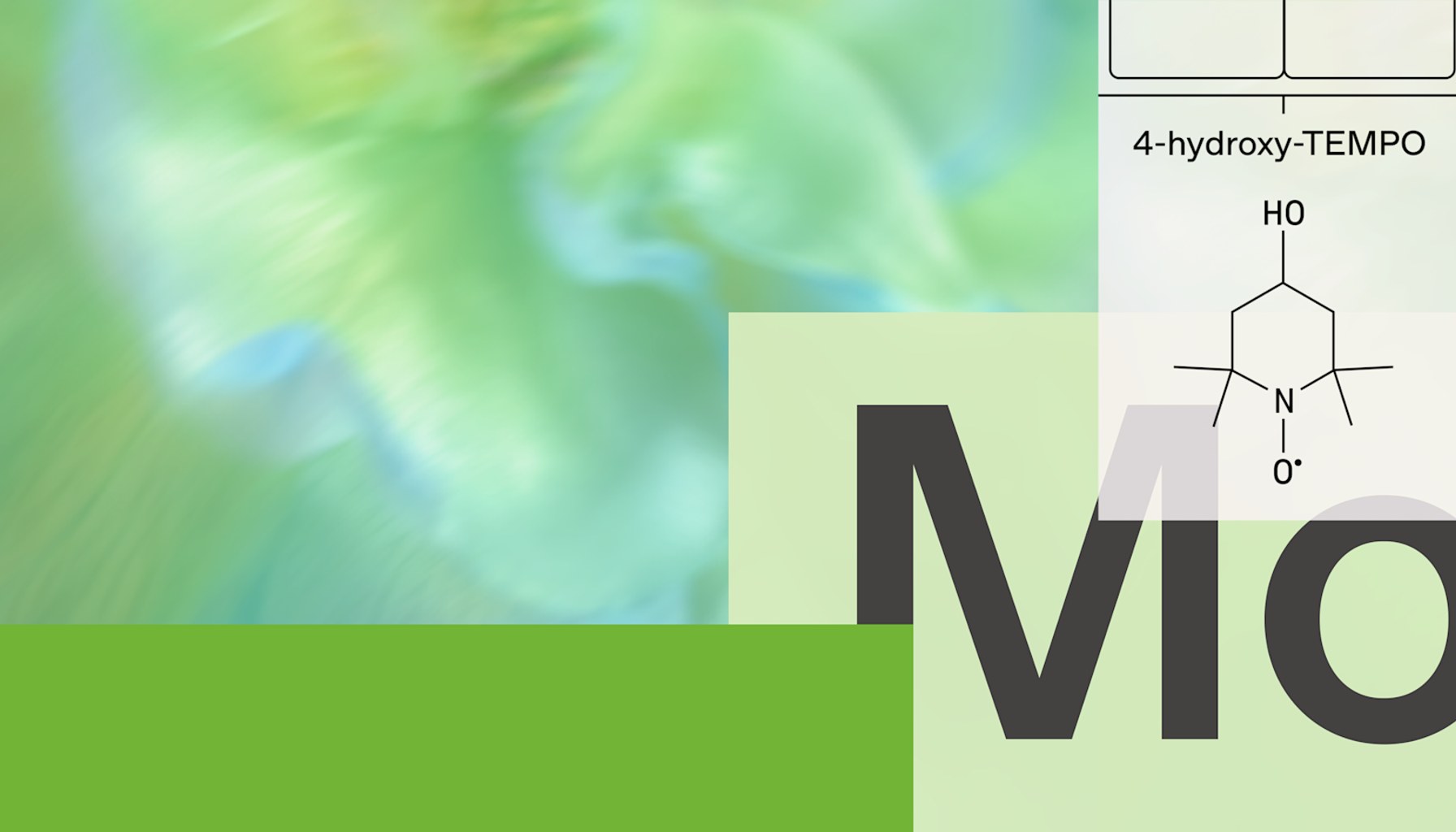
Image / OpenAI News
A near autonomous AI chemist just rewrote a tough drug making step.
OpenAI and Molecule.one say the system runs on GPT-5.4, orchestrating a loop of hypothesis generation, experimental planning, and result interpretation that would normally require a team of chemists. The team describes a near-autonomous workflow where the AI not only suggests conditions and catalysts but also orders a sequence of automated experiments and analyzes outcomes to steer the next test. The paper shows how this approach tackled a challenging medicinal chemistry reaction, a bottleneck that has slowed down hit-to-lead optimization in several programs.
The system’s provenance matters as much as its results. The AI proposed a set of reagent choices, solvent systems, and temperature profiles, then handed those plans to automated instruments that could run tests and collect data with minimal human intervention. After each result, the model updated its plan, pruning unpromising routes and prioritizing more promising ones. The team reports that the near-autonomous chemist achieved progress on a reaction that historically required iterative, labor-intensive experimentation, suggesting that AI-driven experimentation can shorten cycles without sacrificing chemical rigor. In practical terms, the work demonstrates a pathway to accelerate medicinal chemistry workflows from days to potentially shorter windows, even as it sits under human supervision in a lab setting.
For practitioners, the story carries conspicuous engineering constraints and tradeoffs. First, data quality and provenance are not cosmetic considerations; they are the lifeblood of a safe, effective AI chemist. High-quality reaction data, well-annotated conditions, and reliable outcome metrics are what keep the model from chasing spurious correlations. Second, autonomy does not erase risk. Guardrails, safety checks, and audit trails are essential to prevent unsafe experiments and to ensure reproducibility across labs and instruments. Third, the human-in-the-loop remains a practical necessity. While the system can propose routes and execute tests, chemists must validate the plausibility of strategies and sanity-check critical decisions before scale-up. Fourth, integration with lab infrastructure matters. The value of a near-autonomous approach hinges on reliable interfaces to automation platforms, data logging, and real-time monitoring so the AI’s decisions stay aligned with wet-lab realities and regulatory expectations.
Two concrete practitioner insights emerge from the work. One, research programs should treat data engineering as a first-class constraint: curated, machine-readable records of reagents, catalysts, and conditions are as important as the chemical insight itself. Two, adoption will hinge on guardrails and governance: explicit safety protocols, explainability around proposed steps, and verifiable result provenance help teams trust autonomous planning. A third takeaway is a reminder about failure modes: AI systems can propose plausible, yet nonoptimal, routes if the training data or reward signals don’t cover edge cases; human oversight is essential to catch these blind spots before costly mistakes. Finally, expect iterative scoping: early demonstrations may apply to a narrow reaction class, with broader generalization requiring careful benchmarking across chemistries and targets.
Looking ahead, observers will watch how quickly this approach transitions from a lab demo to routine support for medicinal chemistry programs. The real test will be generalization to diverse reaction types, durability of improvements across scales, and how well these systems integrate with GMP-like environments and regulatory requirements. If the trend holds, near-autonomous AI chemists could become a staple of reaction scouting and optimization, flipping the pace and cadence of early drug discovery while keeping chemists firmly in the driver’s seat to steer strategy and ensure safety.
- A near-autonomous AI chemist improves a challenging reaction in medicinal chemistryOpenAI News / Primary source / Published JUN 17, 2026 / Accessed JUN 20, 2026