NFC Tag Nightstand Hack Ends Late Night Frustrations
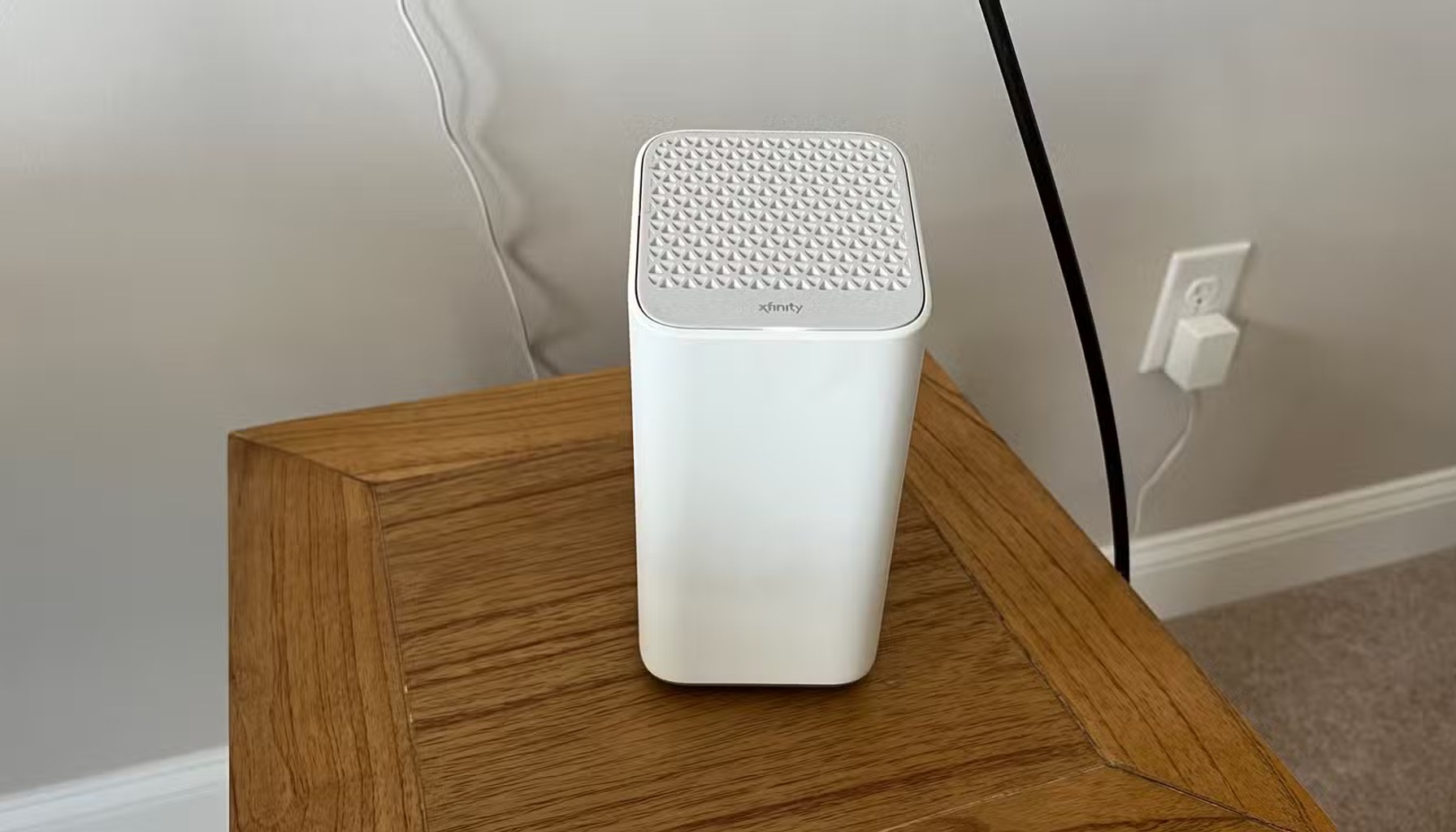
A cheap NFC tag under the nightstand finally ends late night smart home chaos.
Automating a bedtime routine is harder than you think, and the How-To Geek piece on one reader’s setup shows why: every night you want the house to wind down, but a dozen devices can fight you while you’re trying to read or drift off. The breakthrough was shockingly simple, a tiny NFC tag stuck under the nightstand that you tap with your phone to trigger a ready-made routine. In practice, the tag acts as a one-tap trigger for a sequence that quiets the home, dimming or turning off lights, pausing or silencing media, and putting the house into a calmer, less data hungry state as you settle in. The appeal is obvious: no hunting for remotes, no shouting for a voice assistant to quiet down, just a single tap that initiates a streamlined end of day.
The mechanics are approachable for non-technical readers. You buy a small NFC tag, program it with a saved automation, and place it where you naturally reach for your phone at night. When you tap the tag with your phone, the automation fires. The result is a consistent bedtime scene: lights lowered, screens dimmed, routines paused, and the most irksome late night alerts softened. It’s a practical example of edge automation, a local near-device trigger that reduces friction and dependence on cloud services once the routine is set. The concept isn’t flashy, but the effect is powerful: it standardizes a moment that often gets tangled in app settings, multi-device quirks, and the occasional misfire.
The cost of this hack is refreshingly transparent. The primary expense is the NFC tag, a few dollars at most, and it doesn’t require a new monthly plan or a loyalty program to work in a basic setup. In many configurations you can reuse existing apps and devices you already own, meaning the nightstand tap is more about reliability and speed than about wallet draining subscriptions. The upside is clear: the automation becomes almost instantaneous, and you sidestep some of the unpredictable delays that come from voice assistants or mobile notifications trying to coordinate a complete shutdown of the home lights and devices.
But there is a catch, and it matters for everyday users who prize privacy and flexibility. The NFC tag itself is inert; its value comes from the automation it triggers, which may run through cloud-connected services or platform-specific apps. That introduces two practical concerns: privacy, if the routine’s actions involve sending data to a cloud service or logging when you trigger the scene; and lock-in, a routine built around a specific ecosystem can become fragile if you switch platforms or if a platform changes its automation rules, forcing you to reconfigure or abandon the setup. In short, the tag is inexpensive and simple, but the ecosystem you attach to it can shape how portable the setup remains over time.
From a practitioner’s standpoint, a few concrete takeaways arise. Reliability matters: a tag that’s damaged or poorly placed can break the routine, so choose a durable surface and test the tap from bed height. Security is not an afterthought: consider masking the routine with a verification step or using local-only actions where possible to minimize exposure. Scalability grows with you: the same trick can apply to other rooms or routines, but each additional tag multiplies the potential points of failure, so plan a small pilot before expanding. Finally, expect some drift as devices and apps update; the beauty of a one-tap bedtime hack is its simplicity, but you’ll want a quick audit every few months to keep it humming smoothly.
In the end, the NFC nightstand trick embodies a broader trend toward unobtrusive, human-friendly automation. It shows how a tiny physical cue can deliver a dependable mental cue for bedtime, reducing decision fatigue and letting you fall asleep faster without wrestling with a wall of digital controls.
- I put an NFC tag under my nightstand to kill late-night smart home frustrationsHow-To Geek Smart Home / Independent source / Published JUN 05, 2026 / Accessed JUN 06, 2026