Home Assistant hack unlocks unintended power
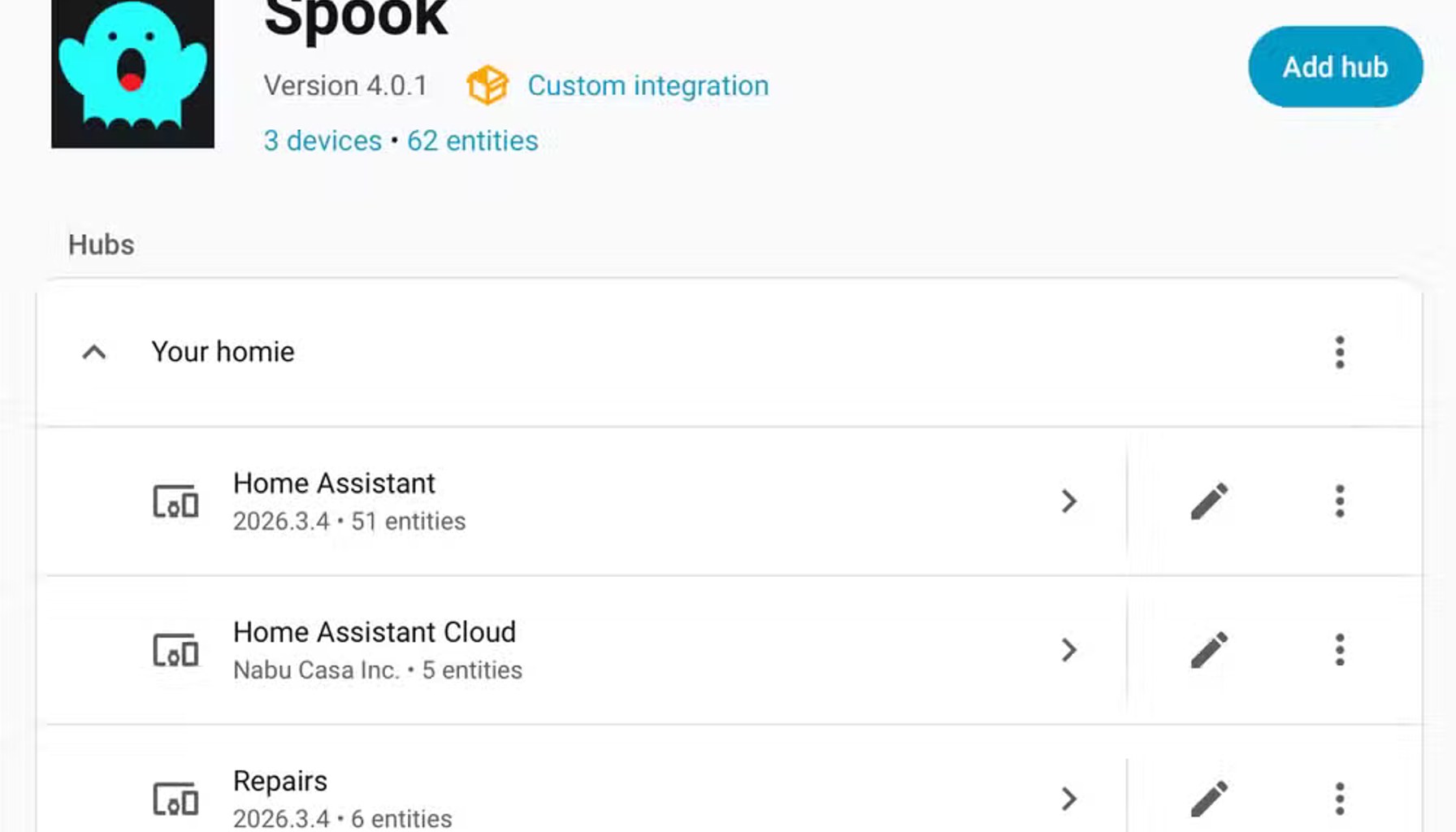
Image / How-To Geek Smart Home
A single custom integration rewrote what Home Assistant can do.
How-To Geek frames the development as a proof of concept born in the community, not in the official roadmap. The article describes a clever, user built integration that digs beyond what the core platform exposes by default, letting folks orchestrate devices and services in ways the developers never anticipated. Reviews show that this kind of ingenuity can push a powerful platform into new use cases, proving once again that the most exciting smart home ideas often arrive from enthusiasts tinkering on the edges. How-To Geek notes that such tweaks flourish because Home Assistant invites experimentation and has a robust ecosystem of add ons, scripts, and custom components. The result, the outlet argues, is a practical demonstration of what openness can unlock when skilled users experiment with data flows and automations.
What exactly qualifies as unintended power? In broad strokes, the hack relies on a custom integration that strings together devices from multiple ecosystems in a single automation surface. It can trigger routines that the official integrations either do not support or require awkward workarounds to achieve. The appeal to builders is clear: you can choreograph scenes that span devices, platforms, and services without waiting for official feature parity. The piece stresses that the core strength of Home Assistant has long been its flexibility, and this example is a vivid reminder that the platform can be repurposed in creative ways when the community pushes the envelope. The juxtaposition of official boundaries and community curiosity is what elevates the conversation from a curiosity to a case study in ecosystem potential.
The catch is real, and it is not just about cleverness. The article makes plain that such hacks come with privacy, stability, and support tradeoffs. The same flexibility that makes the extension powerful also means you are venturing outside the guardrails developers certify. Reviews show concerns around data handling, since a community component can route data through paths that official docs do not audit as thoroughly. The practice also invites lock in to a particular community project or fork, which can complicate updates or later migrations. The absence of formal QA from the core team means breakage with every major Home Assistant release is a real possibility, and there is no single source of guaranteed fixes when something goes wrong. In short, you gain capability at the price of resilience and official support.
From a practitioner standpoint, there are concrete tradeoffs to weigh. First, the reliability calculus changes: updates to Home Assistant or the operating system may require manual intervention to keep the integration working. Second, security considerations rise with third party code; you need to audit what the custom component touches and what it can access. Third, maintainability becomes a shared risk: if the contributor stops maintaining the project, you may be left with a fragile bridge that suddenly stops working after an update. Conversely, the payoff can be substantial for power users who crave cross platform automations that the stock integrations cannot deliver. The story also highlights a broader pattern in the Home Assistant world, where the ecosystem thrives on user driven knowledge sharing, a point echoed by How-To Geek in a separate round up that highlights seven essential resources for users who want to push the platform further.
For readers weighing adoption, a practical lens emerges. Total cost to deploy the integration itself is effectively zero; there is no subscription tethered to the hack, and you can reuse existing hardware and licenses. The real cost is time and attention: time to plan the automation, time to test edge cases, and time to monitor for breakage after updates. If you decide to pursue it, approach it like any DIY project: back up configurations, document your setup, and isolate the custom component where possible so a failure does not cascade. Keep an eye on official updates and community notes; the ecosystem can deliver new power without chaos, but only if you stay prudent about maintenance and privacy. As the article points out, the broader lesson is not just about one clever hack, but about what an open, enthusiastic community can achieve when guided by solid fundamentals and careful risk awareness.
- This Home Assistant integration does things the developers never intended (and it's genius)How-To Geek Smart Home / Mainstream / Published JUN 21, 2026 / Accessed JUN 22, 2026
- These are the 7 most useful resources every Home Assistant user should know aboutHow-To Geek Smart Home / Mainstream / Published JUN 21, 2026 / Accessed JUN 22, 2026